Pantry Food Waste Reduction
Introduction to Pantry Food Waste Reduction
A well-organized pantry organization system is crucial for reducing food waste reduction. According to the United States Environmental Protection Agency (2020), the average American household throws away 40% of the food they purchase, resulting in an estimated 219 pounds of food waste per person per year. This not only harms the environment but also wastes money. Implementing a pantry organization system can help reduce food waste and save you money in the long run.
Understanding Food Waste
The United States Environmental Protection Agency (2020) reports that food waste is the largest component of municipal solid waste in landfills, accounting for 21% of the total waste. This has significant environmental impacts, including the production of methane, a potent greenhouse gas. To tackle this issue, it’s essential to understand the root causes of food waste and implement strategies to reduce it.
Statistics on Food Waste
- 30-40% of the food supply in the United States is wasted, according to the United States Department of Agriculture (2020).
- The average household throws away $1,500 worth of food per year, as reported by the National Resources Defense Council (2017).
- Food waste generates 3.3 billion metric tons of greenhouse gas emissions, equivalent to 7.3% of global emissions, according to the Food and Agriculture Organization (2013).
Pantry Inventory and Purge
To reduce food waste, it’s essential to take stock of your pantry items and get rid of expired or near-expired goods. The National Foundation for Credit Counseling (2019) recommends the following steps:
- Take everything out: Remove all items from your pantry and sort them into categories (e.g., grains, canned goods, baking supplies).
- Check expiration dates: Discard any expired or near-expired items.
- Keep only what you need: Be honest about what you’ll actually use and consider donating unopened items to a local food bank.
Pantry Storage and Shelving
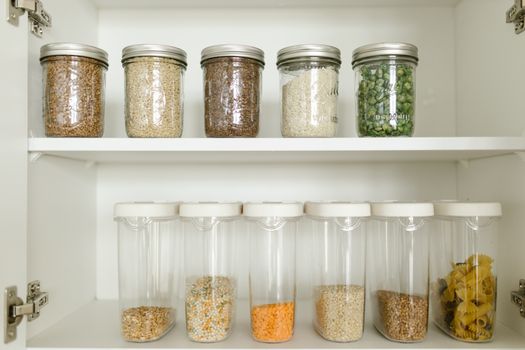
Optimizing your pantry storage can help reduce food waste by ensuring that older items are consumed before they expire. The Container Store (2022) recommends using shelves, baskets, and containers to keep items organized. Consider the following tips:
- Use stackable containers to store dry goods like pasta, rice, and canned goods.
- Install adjustable shelves to accommodate items of different sizes.
- Utilize basket drawers for storing snacks, spices, and other small items.
First-In-First-Out System
Implementing a first-in-first-out system ensures that older items are consumed before they expire. The Food Safety and Inspection Service (2018) recommends labeling and dating items to keep track of how long they’ve been stored. Use the following steps:
- Label and date items: Use a marker to label and date each item as you store it.
- Store new items behind old ones: Place new items behind older ones to ensure that the oldest items are consumed first.
- Check expiration dates regularly: Regularly check expiration dates to ensure that items are consumed before they expire.
Meal Planning and Grocery Shopping
Planning meals around pantry staples can help reduce food waste by ensuring that you only buy what you need. The Academy of Nutrition and Dietetics (2020) recommends the following strategies:
- Plan meals around sales: Check the weekly ads for your local grocery store and plan meals around the items that are on sale.
- Shop your pantry first: Before you go grocery shopping, take stock of what you already have in your pantry to avoid buying duplicate items.
- Buy in bulk: Purchasing items like grains, canned goods, and snacks in bulk can help reduce packaging waste and save you money.
Maintaining Your Pantry
Regular maintenance is essential to keeping your pantry organized and reducing food waste. The Martha Stewart Living (2021) recommends the following tasks:
- Clean the pantry regularly: Set aside time each week to wipe down shelves and sweep the floor.
- Check expiration dates: Regularly check expiration dates to ensure that items are consumed before they expire.
- Adjust your system as needed: As seasons and preferences change, adjust your pantry organization system to accommodate new items and habits.
Using the Right Products
Consider using products like Rubbermaid Pantry Storage Containers en Amazon to keep your pantry organized. These containers are perfect for storing dry goods like pasta, rice, and canned goods. You can also use OXO Good Grips Pop Container en Amazon to store snacks and other small items.
Frequently Asked Questions
What is the best way to organize my pantry?
The best way to organize your pantry is to use a combination of shelves, baskets, and containers. Consider using Seville Classics UltraHD Wall-Mounted Shelf en Amazon to store items like canned goods and snacks.
How often should I clean my pantry?
You should clean your pantry at least once a week to keep it organized and free of dust and debris. Set aside time each week to wipe down shelves and sweep the floor.
What are some tips for reducing food waste?
Some tips for reducing food waste include planning meals around pantry staples, shopping your pantry first, and buying in bulk. You can also use up leftovers to reduce food waste.
How can I keep track of expiration dates?
You can keep track of expiration dates by labeling and dating items as you store them. Use a marker to label and date each item, and check expiration dates regularly to ensure that items are consumed before they expire.
What are some benefits of using a pantry organization system?
Some benefits of using a pantry organization system include reducing food waste, saving money, and keeping your pantry organized. A well-organized pantry can also help you plan meals more efficiently and reduce stress.
How can I maintain my pantry organization system?
You can maintain your pantry organization system by regularly cleaning the pantry, checking expiration dates, and adjusting your system as needed. Set aside time each week to maintain your pantry and keep it organized.
My Take
As an app developer and professional chef, I’ve seen firsthand the impact that a well-organized pantry can have on reducing food waste. By implementing a pantry organization system, you can save money, reduce stress, and help the environment. I recommend taking the time to organize your pantry and implementing strategies to reduce food waste.
In my own kitchen, I use a combination of shelves, baskets, and containers to keep my pantry organized. I also make sure to label and date items as I store them, and check expiration dates regularly to ensure that items are consumed before they expire. By following these tips, you can keep your pantry organized and reduce food waste.
You might also like
- Solar Panel Installation Costs
- Smart Plug for Energy Monitoring
- Pantry Organization for Small Spaces
- Reducing Pantry Food Waste with First-In-First-Out Storage
Practical Summary
Here are some concrete steps you can take to reduce food waste and implement a pantry organization system:
- Take stock of your pantry items and get rid of expired or near-expired goods.
- Use shelves, baskets, and containers to keep items organized.
- Implement a first-in-first-out system to ensure that older items are consumed before they expire.
- Plan meals around pantry staples and shop your pantry first.
- Use products like Rubbermaid Pantry Storage Containers en Amazon to keep your pantry organized.
- Regularly clean the pantry and check expiration dates to ensure that items are consumed before they expire.
- Adjust your system as needed to accommodate new items and habits.
- Consider using a pantry organization app to help you keep track of your pantry and reduce food waste.
Written by Vladys Z. — App developer and professional chef. Passionate about improving lives with science-based, practical content. Follow me on YouTube.
Sources
- United States Environmental Protection Agency. (2020). Sustainable Management of Food.
- National Foundation for Credit Counseling. (2019). Getting Out of Debt.
- The Container Store. (2022). Pantry Organization.
- Food Safety and Inspection Service. (2018). Food Safety and Handling.
- Academy of Nutrition and Dietetics. (2020). EatRight.
- Martha Stewart Living. (2021). Pantry Organization.
Related articles

Pantry Organization Reduces Waste
Discover a step-by-step system to organize your pantry and reduce food waste

Maximizing Laundry Room Space
Discover how to optimize your laundry room with minimalist organization methods and essential Amazon products.
Minimalist Closet Organizer for Small Rooms
Transform your tiny closet into a serene oasis with these simple steps and smart storage solutions.