Reducing Pantry Food Waste with First-In-First-Out Storage

Understanding Food Waste Statistics
The average American household throws away $1,500 worth of food per year, according to the USDA 2020 Report on Food Waste. This staggering figure translates to approximately 30-40% of the total food supply, with a significant portion of this waste originating from pantry items.
Implementing a First-In-First-Out System
To reduce pantry food waste, implementing a first-in-first-out storage system is crucial. Here’s a step-by-step guide:
- Label each item with its purchase date.
- Categorize items into groups (e.g., grains, canned goods).
- Store items in the correct order, with the oldest items at the front. As recommended by the Professional Organizer’s Association, this system ensures that older items are consumed before they expire.
Maximizing Pantry Space with Adjustable Shelving
Optimizing pantry space is essential for efficient storage. The Rubbermaid Configurations 3-Shelf Adjustable Shelving Unit is a highly-rated option, offering adjustable shelves to accommodate items of varying sizes. Complementary products, such as the OXO Good Grips Pop Container, can help maintain a clutter-free pantry.
Categorizing Pantry Items for Efficient Storage
Categorizing pantry items is vital for preventing cross-contamination and ensuring easy access. The National Kitchen and Bath Association recommends the following categories:
- Grains (e.g., rice, pasta)
- Canned goods (e.g., vegetables, fruits)
- Baking supplies (e.g., flour, sugar) Store each category separately to maintain a organized and functional pantry.
Labeling and Tracking Pantry Expiration Dates
Labeling and tracking expiration dates is essential for minimizing food waste. The Stickeroo Pantry Label Kit offers a convenient solution for labeling items. A recommended labeling system includes:
- Item name
- Purchase date
- Expiration date
Maintaining Your Pantry Organization System
Regularly reviewing and adjusting your pantry organization system is crucial for ensuring continued effectiveness. The Professional Organizer’s Association suggests:
- Schedule regular pantry clean-outs (every 3-6 months).
- Monitor expiration dates and adjust storage accordingly.
- Adjust categorization and labeling as needed.
Frequently Asked Questions
What is the average amount of food waste per household?
The average American household throws away $1,500 worth of food per year, according to the USDA.
How can I reduce food waste in my pantry?
Implementing a first-in-first-out storage system and regularly reviewing expiration dates can significantly reduce food waste.
What are the benefits of using adjustable shelving in my pantry?
Adjustable shelving, such as the Rubbermaid Configurations 3-Shelf Adjustable Shelving Unit, offers optimized storage and easy access to items.
How often should I clean out my pantry?
Schedule regular pantry clean-outs every 3-6 months to maintain a organized and functional pantry.
What are the most common categories for pantry items?
The National Kitchen and Bath Association recommends categorizing pantry items into groups such as grains, canned goods, and baking supplies.
How can I prevent cross-contamination in my pantry?
Store each category of pantry items separately to prevent cross-contamination and maintain a safe and healthy pantry.
My Take
As an app developer and professional chef, I understand the importance of efficient pantry organization. In my own kitchen, I use a combination of adjustable shelving and categorization to maintain a clutter-free pantry. I recommend investing in a Rubbermaid Configurations 3-Shelf Adjustable Shelving Unit and complementary products, such as the OXO Good Grips Pop Container, to optimize storage and reduce food waste.
You might also like
- Best Amazon Closet Shelf Dividers
- smart air vent cover to regulate room heat
- Best Garlic Presses for Mincing
- Maximizing Laundry Room Storage
Practical Summary
- Implement a first-in-first-out storage system to reduce pantry food waste.
- Use adjustable shelving, such as the Rubbermaid Configurations 3-Shelf Adjustable Shelving Unit, to optimize storage.
- Categorize pantry items into groups (e.g., grains, canned goods) to prevent cross-contamination.
- Label and track expiration dates using a recommended labeling system.
- Schedule regular pantry clean-outs every 3-6 months to maintain a organized and functional pantry.
- Invest in complementary products, such as the OXO Good Grips Pop Container, to maintain a clutter-free pantry.
- Monitor expiration dates and adjust storage accordingly to minimize food waste.
- Adjust categorization and labeling as needed to ensure continued effectiveness of your pantry organization system.
Written by Vladys Z. — App developer and professional chef. Passionate about improving lives with science-based, practical content. Follow me on YouTube.
📚 Continue reading
Sources
- USDA (2020). Report on Food Waste
- Professional Organizer's Association (2019). Guide to Pantry Organization
- National Kitchen and Bath Association (2018). Kitchen Design Trends
- Stickeroo (n.d.). Pantry Label Kit Product Review
- Amazon (n.d.). Rubbermaid Configurations 3-Shelf Adjustable Shelving Unit Product Review
Related articles
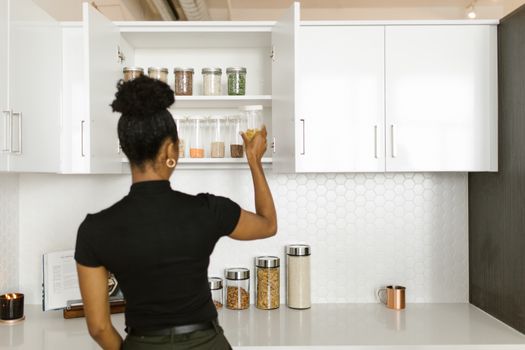
Pantry Organization Reduces Waste
Discover a step-by-step system to organize your pantry and reduce food waste

Maximizing Laundry Room Space
Discover how to optimize your laundry room with minimalist organization methods and essential Amazon products.
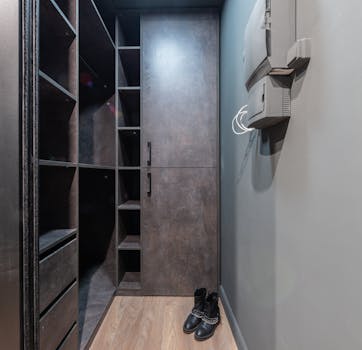
Minimalist Closet Organizer for Small Rooms
Transform your tiny closet into a serene oasis with these simple steps and smart storage solutions.