Optimal Temperature Setting for Energy Savings
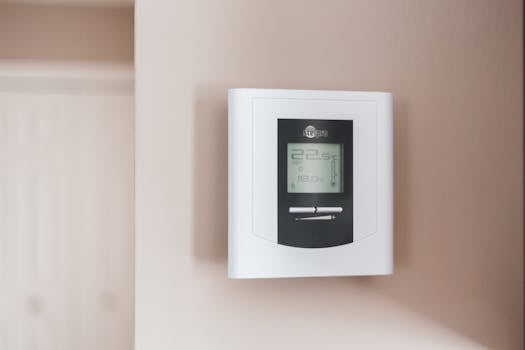
Understanding the Impact of Temperature on Energy Consumption
The temperature setting in your home significantly affects your energy consumption. According to the U.S. Department of Energy, heat gain and heat loss are two primary factors influencing energy usage. When the temperature outside is higher than inside, heat gain occurs, and your cooling system works harder, increasing energy consumption. Conversely, when the outside temperature is lower, heat loss happens, and your heating system works more, also increasing energy consumption.
The Optimal Temperature Setting for Summer and Winter
A study by the American Council for an Energy-Efficient Economy found that setting your thermostat to 78°F in summer and 68°F in winter can lead to significant energy savings. These temperatures are considered optimal because they balance comfort with energy efficiency. For every degree of extra heating or cooling, energy consumption increases by 3-5%.
Monthly Savings Estimates Based on Temperature Settings
The following table illustrates estimated monthly savings based on different temperature settings:
| Temperature Setting | Estimated Monthly Savings |
|---|---|
| 72°F | $15-$25 |
| 75°F | $25-$40 |
| 78°F | $40-$60 |
| These estimates are based on data from the U.S. Energy Information Administration. |
Adjusting Temperature Settings for Different Seasons and Occupancy
To maximize energy savings, adjust your temperature settings according to the season and occupancy levels. For example, when you’re away from home, consider setting your thermostat to 80°F in summer and 65°F in winter. You can also use a programmable thermostat to automate these adjustments.
Using Smart Thermostats to Optimize Temperature Settings
Smart thermostats, such as the ecobee SmartThermostat with Voice Control, can help you optimize your temperature settings and track your energy usage. A study by the National Renewable Energy Laboratory found that smart thermostats can save homeowners up to 12% on their energy bills.
Additional Tips for Maximizing Energy Savings through Temperature Control
To further maximize energy savings, consider the following tips:
- Use zoned heating and cooling systems to heat and cool only the areas of your home that need it.
- Install ceiling fans to circulate air and reduce the need for air conditioning.
- Use window treatments, such as blinds and curtains, to reduce heat gain in summer and heat loss in winter. These tips are based on recommendations from the U.S. Department of Energy.
Frequently Asked Questions
What is the ideal temperature for energy savings?
The ideal temperature for energy savings is between 68°F and 72°F. According to a study by the American Council for an Energy-Efficient Economy, this temperature range can lead to significant energy savings.
How often should I adjust my thermostat?
You should adjust your thermostat according to the season and occupancy levels. For example, when you’re away from home, consider setting your thermostat to 80°F in summer and 65°F in winter.
What are the benefits of using a smart thermostat?
Smart thermostats can help you optimize your temperature settings and track your energy usage. They can also learn your schedule and preferences to automate temperature adjustments.
Can I use a programmable thermostat with a heat pump?
Yes, you can use a programmable thermostat with a heat pump. In fact, a study by the National Renewable Energy Laboratory found that programmable thermostats can save homeowners up to 12% on their energy bills when used with a heat pump.
How much energy can I save by adjusting my thermostat?
You can save up to 3-5% on your energy bill for every degree of extra heating or cooling. According to the U.S. Department of Energy, this can lead to significant energy savings over time.
What are some other ways to reduce my energy consumption?
In addition to adjusting your thermostat, you can reduce your energy consumption by using energy-efficient appliances, turning off lights and electronics when not in use, and sealing air leaks in your home.
My Take
As an app developer and professional chef, I’ve always been interested in finding ways to reduce my energy consumption and live more sustainably. One of the simplest and most effective ways to do this is by adjusting your thermostat. By setting your thermostat to the optimal temperature and using a smart thermostat to automate adjustments, you can save energy and money. I’ve also found that using a programmable thermostat with my heat pump has made a big difference in my energy bills. In my own home, I’ve implemented many of the tips I’ve mentioned in this article. I’ve installed ceiling fans, used window treatments to reduce heat gain and loss, and adjusted my thermostat according to the season and occupancy levels. I’ve also invested in energy-efficient appliances and turned off lights and electronics when not in use. Overall, I believe that making small changes to your daily habits and investing in energy-efficient technologies can make a big difference in reducing your energy consumption and living more sustainably.
You might also like
- Fixing Dishwasher Mistake
- Kitchen Cart Organization
- Minimalist Desk Organization for Small Spaces
- Humidity Control Without Dehumidifier
Practical Summary
Here are some concrete actions you can take to optimize your temperature setting for energy savings:
- Set your thermostat to 78°F in summer and 68°F in winter.
- Adjust your thermostat according to the season and occupancy levels.
- Use a smart thermostat to automate temperature adjustments and track your energy usage.
- Install ceiling fans to circulate air and reduce the need for air conditioning.
- Use window treatments to reduce heat gain in summer and heat loss in winter.
- Invest in energy-efficient appliances and turn off lights and electronics when not in use.
- Consider using a programmable thermostat with your heat pump to save up to 12% on your energy bills.
Este artículo contiene enlaces de afiliado. Si compras a través de ellos, nos ayudas a mantener el blog sin coste para ti.
Written by Vladys Z. — App developer and professional chef. Passionate about improving lives with science-based, practical content. Follow me on YouTube.
📚 Continue reading
Sources
- U.S. Department of Energy. (2020). Guide to Energy Efficiency.
- American Council for an Energy-Efficient Economy. (2019). Thermostat Settings for Energy Savings.
- U.S. Energy Information Administration. (2022). Data on Energy Consumption and Savings.
- National Renewable Energy Laboratory. (2020). Effectiveness of Smart Thermostats.
- National Association of Home Builders. (2020). Guide to Home Energy Efficiency.
Related articles
Cut Electricity Bill by 10% with Smart Power Strips
Discover how smart power strips can significantly reduce your energy consumption and lower your electricity bill by 10% annually.

Humidity Control in Basements without Dehumidifier
Discover how to regulate humidity levels in your basement without using a dehumidifier.
Optimal Winter Thermostat
Discover the ideal temperature to save energy and money