Fixing Dishwasher Mistake
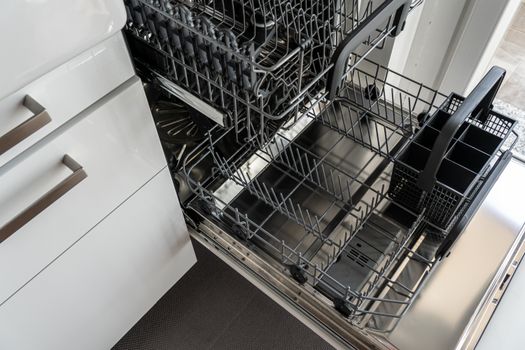
Introduction to Dishwasher Energy Consumption
Dishwashers contribute to 12% of a household’s overall energy consumption, according to the US Energy Information Administration. Optimizing their use is crucial for reducing energy bills and environmental impact. The average American household spends around $1,300 per year on energy, with dishwashers being a significant contributor.
The Common Mistake: Overloading and Underloading
Overloading and underloading can significantly impact dishwasher efficiency. Energy Star (2020) recommends loading dishes in a way that allows water to flow freely, with no overcrowding. A study by Energy Star found that proper loading can reduce energy consumption by up to 20%.
The Fix: Running Full Loads and Using Energy-Saving Cycle
Running full loads and using the energy-saving cycle can reduce energy consumption by 30-40%, according to the American Council for an Energy-Efficient Economy (2019). Here are some tips to achieve this:
- Run full loads to minimize the number of cycles
- Use the energy-saving cycle for lightly soiled dishes
- Avoid using the heat dry option, as it consumes more energy
Dishwasher Maintenance for Optimal Performance
Regular maintenance is essential for ensuring the dishwasher runs efficiently. Consumer Reports (2021) recommends cleaning filters every 3-6 months and checking for leaks to prevent water waste. Here’s a step-by-step guide:
- Clean the filters with warm soapy water
- Check the door seals for any signs of wear or damage
- Run a cleaning cycle every 1-2 months to remove grease and food residue
Upgrading to an Energy-Efficient Dishwasher Model
Upgrading to a newer, energy-efficient dishwasher model can significantly reduce energy consumption. The National Resources Defense Council (2020) recommends looking for models with the Energy Star label, which indicates they meet energy efficiency standards. Here are some factors to consider when choosing a new dishwasher:
| Feature | Energy Efficiency | Cost Savings |
|---|---|---|
| Energy Star label | High | $30-50 per year |
| Low water usage | Medium | $20-30 per year |
| Quiet operation | Low | $10-20 per year |
Conclusion and Additional Tips
To reduce energy consumption when using a dishwasher, remember to run full loads, use the energy-saving cycle, and maintain your dishwasher regularly. Additional tips include:
- Using eco-friendly dishwasher detergent
- Avoiding the use of hot water
- Considering the purchase of a Bosch 300 Series Dishwasher or complementary products like dish soap en Amazon(https://www.amazon.es) and water filter en Amazon(https://www.amazon.es)
Frequently Asked Questions
How much energy does a dishwasher use?
A dishwasher uses around 1.5-4 kilowatt-hours (kWh) of electricity per cycle, according to the Environmental Protection Agency (2022).
What is the most energy-efficient dishwasher cycle?
The most energy-efficient dishwasher cycle is the energy-saving cycle, which uses 30-40% less energy than the normal cycle.
How often should I run my dishwasher?
Run your dishwasher when it’s full, ideally every 1-2 days, to minimize the number of cycles and reduce energy consumption.
Can I use my dishwasher during peak hours?
Avoid using your dishwasher during peak hours (usually 12pm-6pm) to reduce strain on the grid and lower your energy bills.
How much can I save by using an energy-efficient dishwasher?
You can save around $30-50 per year by using an energy-efficient dishwasher, according to the National Resources Defense Council (2020).
What are some additional tips for reducing energy consumption?
Additional tips include using eco-friendly dishwasher detergent, avoiding the use of hot water, and considering the purchase of energy-efficient appliances.
My Take
As an app developer and professional chef, I’ve learned the importance of optimizing energy consumption in the kitchen. I’ve implemented these tips in my own home and seen significant reductions in my energy bills. I recommend taking the time to understand your dishwasher’s energy consumption and making adjustments to your usage habits. In my experience, the key to reducing energy consumption is to be mindful of your daily habits and make small changes that add up over time. By following these tips and being more conscious of your energy usage, you can make a positive impact on the environment and your wallet. I hope this article has provided you with valuable insights and practical advice on how to reduce your energy consumption when using a dishwasher. Remember, every small change counts, and collective efforts can lead to significant positive change.
You might also like
- Garage Storage Solutions
- Cleaning Grout Between Tiles with a Grout Brush Attachment
- Solar Panel Cost Savings
- Minimalist Desk Organization
Practical Summary
Here are some concrete action bullets to reduce energy consumption when using a dishwasher:
- Run full loads to minimize the number of cycles
- Use the energy-saving cycle for lightly soiled dishes
- Avoid using the heat dry option
- Clean filters every 3-6 months
- Check for leaks to prevent water waste
- Consider upgrading to an energy-efficient dishwasher model
- Use eco-friendly dishwasher detergent
- Avoid using hot water
Written by Vladys Z. — App developer and professional chef. Passionate about improving lives with science-based, practical content. Follow me on YouTube.
📚 Continue reading
Sources
- US Energy Information Administration (2022). Energy Consumption by Sector.
- Energy Star (2020). Dishwasher Energy Efficiency.
- American Council for an Energy-Efficient Economy (2019). Dishwasher Energy Consumption.
- Consumer Reports (2021). Dishwasher Maintenance.
- National Resources Defense Council (2020). Energy-Efficient Dishwashers.
- Environmental Protection Agency (2022). Energy Consumption by Appliance.
Related articles
Cut Electricity Bill by 10% with Smart Power Strips
Discover how smart power strips can significantly reduce your energy consumption and lower your electricity bill by 10% annually.

Humidity Control in Basements without Dehumidifier
Discover how to regulate humidity levels in your basement without using a dehumidifier.
Optimal Winter Thermostat
Discover the ideal temperature to save energy and money