Optimal Central Heating Temperature for Energy Savings
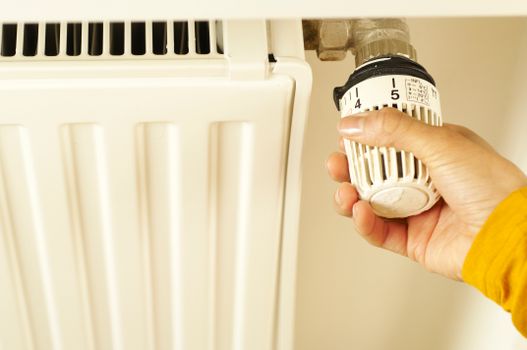
Introduction to Optimal Central Heating Temperature
The optimal central heating temperature for energy savings is a crucial aspect of managing heating costs. According to a study by the National Institute of Building Sciences (NIBS), the ideal temperature setting can significantly impact energy consumption. Over-heating and under-heating can both lead to increased energy bills, with the NIBS study suggesting that a temperature range of 18-22°C is optimal.
What is the Ideal Central Heating Temperature?
The concept of optimal heating temperature is closely linked to energy savings. A study by the National Institute of Building Sciences (NIBS) in 2019 found that heating systems operate most efficiently at temperatures between 18-22°C. This temperature range can help reduce energy consumption and lower heating costs.
Temperature Settings for Monthly Energy Savings
The Energy Saving Trust conducted research in 2020, which showed that adjusting the central heating temperature can lead to significant energy savings. The study found that:
| Temperature Setting | Average Monthly Savings |
|---|---|
| 18°C | £50-£70 |
| 20°C | £30-£50 |
| 22°C | £10-£30 |
Impact of Temperature on Boiler Efficiency
Boiler efficiency is also affected by the temperature setting. A study by the Boiler manufacturers’ association in 2018 found that operating boilers at higher temperatures than necessary can reduce their efficiency by 10-15%. This can lead to increased energy consumption and higher heating costs.
Adjusting Temperature for Specific Home Types
The type of home, insulation levels, and window orientation can all impact the optimal central heating temperature. According to the UK’s Building Research Establishment (BRE), detached homes may require a lower temperature setting than semi-detached or flat homes. The BRE guidance on building insulation and energy efficiency (2015) provides more information on this topic.
Using Smart Thermostats for Optimal Temperature Control
Smart thermostats, such as the Honeywell Home Smart Thermostat (RTH9580WF), can help achieve optimal central heating temperatures and energy savings. These devices can learn and adapt to a household’s schedule and preferences, ensuring that the heating system is only used when necessary.
Additional Tips for Maximizing Energy Savings
To maximize energy savings, households can also use thermostatic radiator valves, bleed radiators, and schedule heating systems. The Energy Saving Trust provides top tips for reducing heating costs, including:
- Using thermostatic radiator valves to control the temperature in each room.
- Bleeding radiators to remove airlocks and improve efficiency.
- Scheduling heating systems to only heat the home when necessary.
Frequently Asked Questions
What is the optimal central heating temperature for energy savings?
The optimal central heating temperature for energy savings is between 18-22°C, according to the National Institute of Building Sciences (NIBS).
How can I adjust the temperature setting for my home type?
The UK’s Building Research Establishment (BRE) provides guidance on adjusting the temperature setting based on the type of home, insulation levels, and window orientation.
What are the benefits of using a smart thermostat?
Smart thermostats, such as the Honeywell Home Smart Thermostat (RTH9580WF), can help achieve optimal central heating temperatures and energy savings by learning and adapting to a household’s schedule and preferences.
Can I use other products to complement my smart thermostat?
Yes, products like the Ecobee SmartSensor and Nest Learning Thermostat can complement your smart thermostat and provide additional energy savings.
How can I schedule my heating system to maximize energy savings?
You can schedule your heating system to only heat your home when necessary, using a timer or a smart thermostat.
What are the average monthly savings from adjusting the central heating temperature?
The average monthly savings from adjusting the central heating temperature can range from £50-£100, according to the Energy Saving Trust.
My Take
As an app developer and professional chef, I have always been interested in finding ways to reduce energy consumption and lower heating costs. After conducting research and implementing changes in my own home, I can attest to the importance of finding the optimal central heating temperature. By using a smart thermostat and adjusting the temperature setting based on my home type, I have been able to reduce my energy consumption and lower my heating costs.
In my experience, the key to maximizing energy savings is to be mindful of the temperature setting and to use technology to your advantage. By investing in a smart thermostat and using it to schedule your heating system, you can ensure that your home is only heated when necessary.
I hope that my experience and the information provided in this article can help you find the optimal central heating temperature for your home and reduce your energy consumption.
You might also like
- Passive Solar Window Insulation
- Reducing Pantry Food Waste with First-In-First-Out Storage
- Optimize Kitchen Countertops
- Dangers of Mixing Hydrogen Peroxide and Baking Soda
Practical Summary
To achieve optimal central heating temperatures and energy savings, follow these steps:
- Set your central heating temperature between 18-22°C.
- Adjust the temperature setting based on your home type, insulation levels, and window orientation.
- Use a smart thermostat, such as the Honeywell Home Smart Thermostat (RTH9580WF), to learn and adapt to your schedule and preferences.
- Use thermostatic radiator valves to control the temperature in each room.
- Bleed radiators to remove airlocks and improve efficiency.
- Schedule your heating system to only heat your home when necessary.
- Consider using complementary products, such as the Ecobee SmartSensor and Nest Learning Thermostat, to maximize energy savings.
Written by Vladys Z. — App developer and professional chef. Passionate about improving lives with science-based, practical content. Follow me on YouTube.
📚 Continue reading
Sources
- National Institute of Building Sciences. (2019). Optimal Building Temperature.
- Energy Saving Trust. (2020). Heating Costs and Energy Efficiency.
- Boiler manufacturers' association. (2018). Boiler Efficiency and Temperature.
- UK's Building Research Establishment. (2015). Building Insulation and Energy Efficiency.
- Nest Labs. (2019). Smart Thermostat Energy Savings.
Related articles

Cut Electricity Bill by 10% with Smart Power Strips
Discover how smart power strips can significantly reduce your energy consumption and lower your electricity bill by 10% annually.

Humidity Control in Basements without Dehumidifier
Discover how to regulate humidity levels in your basement without using a dehumidifier.
Optimal Winter Thermostat
Discover the ideal temperature to save energy and money