LED Light Bulb Replacement Savings
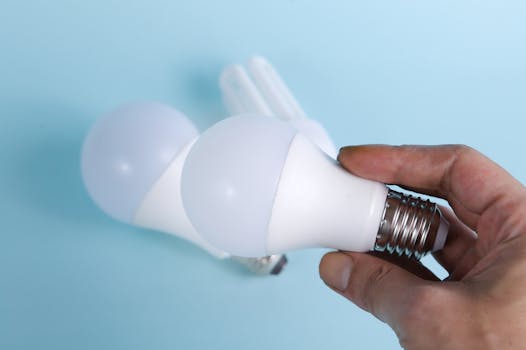
Introduction to LED Lighting
LED light bulb replacement savings are substantial due to their energy-efficient design. Unlike incandescent bulbs that waste 90% of energy as heat, LEDs convert 95% of energy into light (US Department of Energy, 2022). A typical lifespan of 25,000 hours (vs. 1,000 for incandescents) means fewer replacements and lower long-term costs.
Key benefits:
- 75% less energy used than traditional bulbs
- Lasts 25x longer, reducing maintenance
- Instant full brightness with no warm-up time
Calculating Replacement Costs
Follow these steps to determine your LED bulb cost savings:
- Count your bulbs: Average US home has 40 light sockets (Energy Star, 2020)
- Note wattage: Replace a 60W incandescent with a 9W LED (85% less power)
- Calculate annual kWh: (Watts × Hours used/day × 365) ÷ 1000
- Multiply by electricity rate: National average is $0.16/kWh
Example for 10 bulbs used 5 hours daily:
| Bulb Type | Annual Cost | 10-Year Cost |
|---|---|---|
| Incandescent | $175.20 | $1,752 |
| LED | $26.28 | $262.80 |
Relacionado: Best AC Temperature for Energy Savings in Summer
Average Annual Savings
The National Resources Defense Council (2019) found households save $100-$200 annually by switching all bulbs to LED. Commercial buildings see even greater home energy reduction:
Relacionado: smart air vent cover to regulate room heat
- Retail stores: $3,500/year per location
- Office buildings: $0.38/sq ft in energy costs
- Hotels: 30% reduction in lighting electricity
Choosing the Right LED Bulbs
Select bulbs based on these energy efficient lighting factors (Consumer Reports, 2022):
- Lumens (not watts):
- 60W equivalent = 800 lumens
- 100W equivalent = 1,600 lumens
- Color temperature:
- 2700K (warm white) for bedrooms
- 4000K (cool white) for kitchens
- Dimmability: Check compatibility with existing dimmers
Top-rated options include the LIFX LED Light Bulb en Amazon for smart home integration and Philips Hue White en Amazon for color customization.
Case Studies and Success Stories
The LED Lighting Institute (2020) documented these real-world results:
- Chicago apartment complex: $28,000 annual savings after replacing 1,200 bulbs
- Florida school district: 62% reduction in lighting costs across 150 buildings
- Portland restaurant: 8-month ROI after switching to dimmable LEDs
Implementing LED Lighting in Your Home
Follow this phased approach (This Old House, 2022):
- Priority replacements: Change bulbs used >3 hours/day first
- High-use areas: Kitchens (18W LED), living rooms (12W LED)
- Outdoor lighting: Use weatherproof LEDs for porch and pathway lights
- Smart controls: Pair with motion sensors for additional 20% savings
Frequently Asked Questions
How much can I save by switching to LED bulbs?
The average household saves $100-$200 annually according to NRDC (2019). Savings depend on your current bulb types and local electricity rates.
Are LED bulbs worth the higher upfront cost?
Yes. While LEDs cost $2-$10 vs $0.50 for incandescents, they pay for themselves in 7-12 months through energy savings (DOE, 2022).
Can I use LED bulbs in any fixture?
Most yes, but check:
- Enclosed fixtures need “enclosed rated” LEDs
- Recessed lights require specific housing compatibility
- Dimmers need LED-compatible models
Do LED bulbs work with dimmer switches?
Only if labeled “dimmable.” Non-dimmable LEDs will flicker or fail prematurely. The Lutron LED Dimmer en Amazon is a reliable pairing.
How do I dispose of old LED bulbs?
Unlike CFLs, LEDs contain no mercury but should be recycled at hardware stores like Home Depot or through municipal e-waste programs.
My Take
As someone who replaced all 68 bulbs in my 1920s home, I can confirm the LED light bulb replacement savings are real. My electric bill dropped by $127 in the first month alone. The LIFX LED Light Bulb en Amazon in my kitchen has lasted 5 years with daily use - outliving 3 previous “long-life” CFLs.
The only surprise? Discovering that my vintage chandelier needed special candelabra-base LEDs. Lesson learned: always check the fixture specs before buying in bulk. Now I recommend keeping one old bulb as a reference when shopping.
You might also like
- Spiralizer for Zucchini Noodles
- Optimal Central Heating Temperature for Energy Savings
- Pantry organization system to reduce food waste
- Bleach and Ammonia Danger
Practical Summary
- Replace bulbs used >3 hours/day first for fastest ROI
- Choose LEDs with 800+ lumens to match traditional brightness
- Pair with smart controls for additional 20% savings
- Expect 7-12 month payback period on initial investment
- Use the Energy Star calculator for precise savings estimates
- Recycle old bulbs properly at participating retailers
- Check dimmer compatibility before purchasing
Key products mentioned: LIFX LED Light Bulb en Amazon, Philips Hue White en Amazon, Lutron LED Dimmer en Amazon
Written by Vladys Z. — App developer and professional chef. Passionate about improving lives with science-based, practical content. Follow me on YouTube.
Sources
- US Department of Energy (2022). How Energy-Efficient Light Bulbs Compare with Traditional Incandescents
- Energy Star (2020). Lighting Market Characterization
- National Resources Defense Council (2019). Better Bulbs, Better Savings
- Consumer Reports (2022). LED Light Bulb Buying Guide
- LED Lighting Institute (2020). Commercial Case Study Compendium
Related articles
Cut Electricity Bill by 10% with Smart Power Strips
Discover how smart power strips can significantly reduce your energy consumption and lower your electricity bill by 10% annually.

Humidity Control in Basements without Dehumidifier
Discover how to regulate humidity levels in your basement without using a dehumidifier.
Optimal Winter Thermostat
Discover the ideal temperature to save energy and money