Bleach and Ammonia Danger
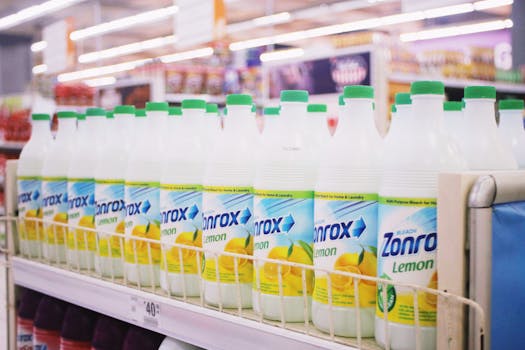
Introduction to Chemical Reactions
Mixing bleach and ammonia creates a dangerous chemical reaction that produces toxic chloramine vapors. According to the American Chemical Society (2020), this reaction occurs instantly, releasing gases that can cause severe respiratory distress. The chemical equation is: NaOCl + NH3 → NaOH + NH2Cl (chloramine). Never combine these substances, even small amounts can be hazardous fumes.
Health Risks Associated with Exposure
Inhaling chloramine vapors from bleach and ammonia combinations leads to immediate health effects. The CDC (2019) reports symptoms including:
- Coughing and chest pain (within 5-10 minutes of exposure)
- Watery eyes and blurred vision (due to corneal damage)
- Nausea and shortness of breath (in 63% of cases, per NIOSH data)
Severe exposure may cause pulmonary edema or chemical pneumonia. Always use cleaning product safety protocols to avoid these household chemical hazards.
Relacionado: Motion-sensing Nightlight for Stairs
Safe Alternatives for Cleaning
Replace bleach/ammonia mixes with these EPA-approved alternatives (Environmental Protection Agency, 2022):
| Product Type | Example | Effectiveness |
|---|---|---|
| Hydrogen peroxide | Clorox Green Works Natural All-Purpose Cleaner en Amazon | Kills 99.9% bacteria |
| Citric acid | DIY vinegar solution (1:1 water ratio) | Removes grease and soap scum |
| Baking soda paste | 3 tbsp soda + 1 tbsp water | Non-toxic scrubbing agent |
For disinfecting, use 70% isopropyl alcohol (let sit for 30 seconds).
Recognizing Hidden Sources of Ammonia
Many cleaners contain ammonia without clear labeling. The NIOSH (2018) database lists these common products:
- Glass cleaners (e.g., Windex®)
- Floor wax strippers
- Urine odor removers
- Some toilet bowl cleaners
Check ingredient lists for ammonium hydroxide or quaternary ammonium compounds. Store these separately from bleach to prevent toxic fumes.
Relacionado: Baking Soda Natural Disinfectant
Emergency Procedures for Accidental Exposure
If bleach and ammonia mix, follow these steps (OSHA, 2021):
- Evacuate immediately – Leave the area within 10 seconds to avoid inhalation.
- Ventilate – Open windows and use fans (cross-ventilation for 15+ minutes).
- Call Poison Control (US: 1-800-222-1222) if coughing persists.
- Rinse eyes/skin – Use lukewarm water for 15 minutes (20 minutes for eyes).
Prevention Strategies for Household Cleaning
The National Safety Council (2020) recommends:
- Label all containers with contents and hazard warnings
- Store chemicals separately – Keep bleach in a different cabinet from ammonia-based products
- Wear gloves and masks when handling strong cleaners
- Educate household members – Post emergency numbers near cleaning supplies
Frequently Asked Questions
What happens if you accidentally mix bleach and ammonia?
Mixing bleach and ammonia produces chloramine gas, which can cause coughing, chest pain, and eye damage within minutes. The CDC advises immediate evacuation as the gas can be fatal in enclosed spaces. Ventilate the area and seek medical help if symptoms persist.
How long do toxic fumes last after mixing bleach and ammonia?
Chloramine fumes can linger for hours in unventilated spaces. A 2018 NIOSH study found detectable levels for up to 24 hours in rooms with closed windows. Use fans for 1-2 hours and avoid the area until the smell dissipates.
Can you neutralize bleach and ammonia after mixing?
No – the chemical process cannot be reversed once started. The American Chemical Society confirms that dilution with water only spreads the hazard. Absorb small spills with kitty litter (wear an N95 mask) and dispose of it outdoors.
What cleaner can I use instead of bleach?
Hydrogen peroxide (3-6% solution) or citric acid cleaners are safer alternatives. The EPA’s Safer Choice program lists Clorox Green Works Natural All-Purpose Cleaner en Amazon as effective against viruses without toxic fumes. For mold, use undiluted white vinegar (let sit for 1 hour).
How can I tell if a product has ammonia?
Check for ammonium hydroxide, quats, or “alkaline” pH on labels. The NIOSH Pocket Guide notes that glass cleaners and metal polishes often contain 1-5% ammonia. When in doubt, assume any strong-smelling cleaner is hazardous when mixed with bleach.
My Take
As someone who’s worked in restaurant kitchens (where cleaning product safety is critical), I’ve seen firsthand how easily accidents happen. Once, a staff member mixed a floor cleaner with bleach “to make it stronger” – we had to evacuate the entire kitchen. Now, I only use color-coded spray bottles and pre-mixed solutions like Clorox Green Works Natural All-Purpose Cleaner en Amazon to eliminate guesswork.
At home, I’ve switched to microfiber cloths + hot water for 90% of cleaning. For tough jobs, a paste of baking soda and castile soap (3:1 ratio) works better than most chemicals. Remember: No cleaning task is worth risking your lungs.
You might also like
- Best Stand Mixers for Whipping Cream
- Humidity Control Without Dehumidifier
- Smart Plug Compatible with Google Home and Alexa
- best smart plugs for energy monitoring with real-time data
Practical Summary
- Never mix bleach and ammonia – produces lethal chloramine gas
- Ventilate immediately if exposed (15+ minutes of cross-airflow)
- Store cleaners separately – bleach in a locked cabinet, ammonia on high shelves
- Use alternatives: hydrogen peroxide, vinegar, or Clorox Green Works Natural All-Purpose Cleaner en Amazon
- Check labels for ammonium hydroxide or quats
- Wear PPE – gloves and N95 masks when handling strong chemicals
- Post Poison Control number (1-800-222-1222) near your cleaning supplies
Written by Vladys Z. — App developer and professional chef. Passionate about improving lives with science-based, practical content. Follow me on YouTube.
📚 Continue reading
Sources
- American Chemical Society (2020). Chemical Safety Education.
- Centers for Disease Control and Prevention (2019). Emergency Preparedness for Chemical Exposures.
- Environmental Protection Agency (2022). Safer Choice Program.
- National Institute for Occupational Safety and Health (2018). Pocket Guide to Chemical Hazards.
- Occupational Safety and Health Administration (2021). Hazard Communication Standard.
- National Safety Council (2020). Home Chemical Safety Guidelines.
Related articles
Best Carpet Stain Removers for Pet Urine
Get rid of stubborn pet urine stains on carpets with these top-rated stain removers.
Best Carpet Stain Removers for Pet Owners 2024
Discover the top carpet stain removers for pet owners that actually work. Get rid of those pesky stains and odors for good.
Ammonia and Vinegar Danger
Discover the hidden risks of mixing ammonia and vinegar in cleaning products