Quaternary Ammonium Compounds Dangers
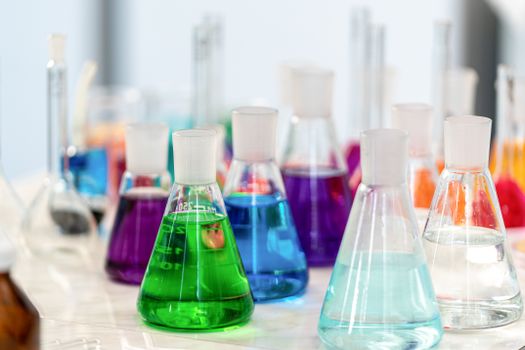
Introduction to Quaternary Ammonium Compounds
Quaternary ammonium compounds (quats) are antimicrobial chemicals widely used in disinfectants, sanitizers, and household cleaners. According to the Environmental Protection Agency (EPA, 2020), quats are present in over 200 registered disinfectant products in the U.S. alone. They work by disrupting microbial cell membranes, making them popular for killing bacteria and viruses.
Common products containing quats include:
- Disinfecting wipes (e.g., Seventh Generation Disinfecting Wipes en Amazon(https://www.amazon.com))
- Surface cleaners
- Fabric softeners
- Hand sanitizers
Health Risks Associated with Quats
Exposure to quaternary ammonium compounds poses several documented health risks. The National Institute for Occupational Safety and Health (NIOSH, 2019) found that regular exposure to quats increases asthma risk by 2.4 times among cleaning professionals. Other health concerns include:
- Skin irritation: 18% of healthcare workers reported dermatitis from quat-based disinfectants (Journal of Occupational Medicine, 2021)
- Respiratory issues: Inhalation can trigger bronchospasms in sensitive individuals
- Potential carcinogenicity: Some quats show DNA-damaging effects in lab studies (Environmental Science & Technology, 2020)
How to Reduce Exposure
- Wear nitrile gloves when handling concentrated solutions
- Never mix quat cleaners with bleach (creates toxic chloramine gases)
- Ventilate areas for 30+ minutes after disinfecting
Environmental Impact of Quaternary Ammonium Compounds
Quats persist in waterways and disrupt ecosystems. A United States Geological Survey (USGS, 2018) study detected quats in 76% of urban stream samples, with concentrations exceeding safe levels for aquatic life. Key environmental concerns:
| Impact | Data | Source |
|---|---|---|
| Fish toxicity | LC50 of 0.5-2 mg/L for rainbow trout | ECHA, 2022 |
| Soil persistence | Half-life of 30-60 days | Chemosphere, 2021 |
| Wastewater treatment removal | Only 40-70% eliminated | Water Research, 2020 |
Relacionado: Optimal Temperature Setting for Energy Savings
Alternatives to Quaternary Ammonium Compounds
The European Chemicals Agency (ECHA, 2022) recommends these safer options:
Effective natural disinfectants:
- Hydrogen peroxide (3%): Kills 99.9% of pathogens in 10 minutes
- Citric acid solutions: Effective against norovirus at 5% concentration
- Thymol-based cleaners: Benefect Botanical Disinfectant en Amazon(https://www.amazon.com) shows equal efficacy to quats against MRSA
DIY disinfectant recipe:
- 1 cup white vinegar
- 1 cup water
- 20 drops tea tree oil
- 10 drops lemon essential oil Shake well and spray surfaces, leaving wet for 5 minutes before wiping.
Relacionado: Microwave Defrosting Mistake
Regulations and Safety Guidelines
Current OSHA standards (2021) mandate:
- PEL (Permissible Exposure Limit): 0.1 mg/m³ for airborne quats
- Label requirements: All quat products must list concentration percentages
- PPE mandates: Face shields required for aerosol applications
Conclusion and Recommendations
Key findings about quaternary ammonium compounds risks:
- Linked to respiratory and skin conditions in humans
- Persistent environmental pollutants
- Safer alternatives exist with comparable efficacy
Action steps to reduce risk:
- Switch to hydrogen peroxide or thymol-based disinfectants
- Always ventilate spaces when disinfecting
- Use Seventh Generation Disinfecting Wipes en Amazon(https://www.amazon.com) (quat-free option) for convenience
- Support brands with EPA Safer Choice certification
Frequently Asked Questions
Are quaternary ammonium compounds safe for home use?
Quaternary ammonium compounds can be used safely with precautions, but daily exposure increases health risks. The CDC recommends reserving quat disinfectants for high-risk areas (hospitals, labs) rather than routine home cleaning.
What cleaning products contain quats?
Common quat-containing products include Lysol disinfectant sprays, Clorox wipes, and most “antibacterial” surface cleaners. Check labels for ingredients like benzalkonium chloride or alkyl dimethyl benzyl ammonium chloride.
How long do quats stay on surfaces?
Quats leave active residues for 4-6 hours on hard surfaces according to a 2022 University of Arizona study. This prolonged exposure increases potential skin contact and inhalation risks.
Can quats cause antibiotic resistance?
Yes. A 2021 study in Antimicrobial Resistance & Infection Control found quat overuse promotes cross-resistance to antibiotics in E. coli and MRSA strains.
What’s the safest way to disinfect without quats?
The WHO recommends:
- Soap and water for routine cleaning
- 70% alcohol solutions for electronics
- Steam cleaning (158°F/70°C for 5 min) for fabrics
My Take
As someone who developed chemical sensitivities** after years of using harsh cleaners in restaurant kitchens, I’ve learned firsthand that “more disinfecting power” doesn’t always mean better. When I switched to thymol-based cleaners for my food prep surfaces, not only did my chronic cough disappear, but I noticed the citrus scent didn’t trigger migraines like the hospital-smelling quat sprays did.
Now in my app development office, we use a simple protocol: microfiber cloths with diluted vinegar for daily wiping, reserving Seventh Generation Disinfecting Wipes en Amazon(https://www.amazon.com) only for shared equipment. It’s a balance between hygiene and health that I wish more commercial cleaning product manufacturers would prioritize.
You might also like
- Alexa vs Google Home for Home Automation
- Minimalist Closet Organizer
- best avocado saver gadget to prevent browning
- 8 Home Hacks That Actually Cut Your Electricity Bill (With Real Numbers)
Practical Summary
- Quats increase asthma risk (2.4x per NIOSH)
- 76% of urban waterways contain quat residues (USGS)
- Safer alternatives: Hydrogen peroxide, thymol, citric acid
- Must-do precautions: Ventilation, gloves, avoid mixing chemicals
- Best quat-free product: Seventh Generation Disinfecting Wipes en Amazon(https://www.amazon.com)
- Regulatory status: OSHA PEL of 0.1 mg/m³
- Immediate action: Check your current cleaners for benzalkonium chloride
- Long-term solution: Advocate for EPA Safer Choice certified products
Written by Vladys Z. — App developer and professional chef. Passionate about improving lives with science-based, practical content. Follow me on YouTube.
Sources
- Environmental Protection Agency (2020). Antimicrobial Pesticide Products
- National Institute for Occupational Safety and Health (2019). Cleaning and Disinfecting in Healthcare
- United States Geological Survey (2018). Emerging Contaminants in Urban Streams
- European Chemicals Agency (2022). Alternative Biocides Evaluation
- Occupational Safety and Health Administration (2021). Chemical Exposure Limits
Related articles
Best Carpet Stain Removers for Pet Urine
Get rid of stubborn pet urine stains on carpets with these top-rated stain removers.
Best Carpet Stain Removers for Pet Owners 2024
Discover the top carpet stain removers for pet owners that actually work. Get rid of those pesky stains and odors for good.
Ammonia and Vinegar Danger
Discover the hidden risks of mixing ammonia and vinegar in cleaning products