Dangers of mixing ammonia and bleach in cleaning
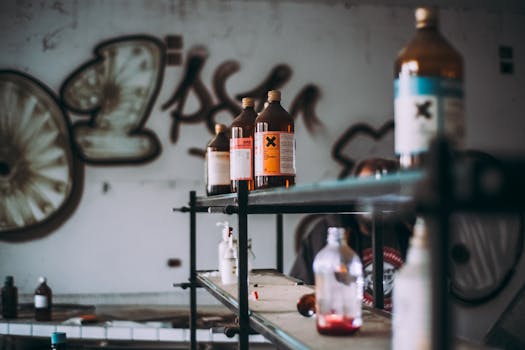
The deadly chemical reaction
The ammonia and bleach dangerous mix is a combination that should be avoided at all costs. When ammonia (NH3) and sodium hypochlorite (bleach) react, they form chloramine gas (NH2Cl), with the chemical equation: NH3 + NaOCl → NH2Cl + NaOH. According to the American Chemical Society, this reaction can have severe consequences.
Immediate health effects
Exposure to chloramine gas can cause eye and nose irritation, coughing, chest pain, and nausea. At 50ppm, it can cause lung damage, as stated in the CDC Emergency Response Safety Guidelines. The exposure thresholds are as follows:
| Concentration | Health Effects |
|---|---|
| 10-20 ppm | Eye and nose irritation |
| 20-50 ppm | Coughing, chest pain |
| 50 ppm | Lung damage |
Hidden sources of ammonia
Some common products contain ammonia, including glass cleaners, floor waxes, and pet urine cleaners. According to the EPA Safer Choice Ingredient List, some brands that may contain ammonia include:
- Lysol
- Clorox
- Mr. Clean
First aid for exposure
If exposed to chloramine gas, follow these steps:
- Ventilate the area immediately.
- Flush eyes and skin with water.
- If symptoms persist, seek medical attention. The World Health Organization recommends the 15-minute fresh air rule: if symptoms do not improve after 15 minutes of fresh air, seek medical attention.
Safer alternative cleaners
Instead of using ammonia and bleach, consider these safer alternatives:
- Hydrogen peroxide for disinfecting (1:10 dilution ratio)
- Baking soda for scrubbing (1:1 dilution ratio)
- Citric acid for descaling (1:5 dilution ratio). According to the Journal of Environmental Health, these alternatives are effective and safer for human health.
How to safely dispose
Never pour ammonia and bleach down the drain. Instead, follow these steps:
- Separate containers to prevent accidental mixing.
- Absorb spills with kitty litter or sand.
- Take to a hazardous waste facility. The EPA Household Hazardous Waste Guidelines provide more information on disposal codes and procedures.
Frequently Asked Questions
What happens when you mix ammonia and bleach?
Mixing ammonia and bleach creates chloramine gas, which can cause respiratory problems and lung damage. According to the CDC, this combination is highly toxic.
How do I know if I have been exposed to chloramine gas?
If you experience eye and nose irritation, coughing, or chest pain after mixing ammonia and bleach, seek medical attention immediately.
Can I use ammonia and bleach to clean my bathroom?
No, it is not recommended to use ammonia and bleach to clean your bathroom, as the fumes can be toxic. Instead, use safer alternatives like hydrogen peroxide or baking soda.
What are the long-term effects of exposure to chloramine gas?
Long-term exposure to chloramine gas can cause respiratory problems, lung damage, and even cancer. According to the WHO, it is essential to avoid exposure to this toxic gas.
How can I prevent accidental mixing of ammonia and bleach?
To prevent accidental mixing, store ammonia and bleach in separate containers and follow the instructions on the label carefully.
What are some safer cleaning products I can use?
Consider using Eco-Me Natural All-Purpose Cleaner (ammonia-free), Eco-Me Natural All-Purpose Cleaner en Amazon, or other ammonia-free products.
My Take
As an app developer and professional chef, I understand the importance of cleaning safely. In my kitchen, I always use safer alternatives to ammonia and bleach, like hydrogen peroxide and baking soda. I also make sure to follow the instructions on the label carefully and store cleaning products in separate containers. In my experience, preventing accidental mixing is crucial to avoiding toxic fumes and respiratory problems. I always recommend using ammonia-free products, like Eco-Me Natural All-Purpose Cleaner en Amazon, to my friends and family.
You might also like
- Best knife sharpeners for cooks with arthritis
- Natural Disinfectant Sprays with Vinegar and Tea Tree Oil
- Best Robot Vacuum Cleaners for Pet Hair on Hardwood Floors
- egg slicer for easy breakfast prep
Practical Summary
Here are some concrete actions you can take to avoid the dangers of mixing ammonia and bleach:
- Always read the label carefully before using cleaning products.
- Store ammonia and bleach in separate containers.
- Use safer alternatives, like hydrogen peroxide or baking soda.
- Follow the instructions on the label carefully.
- Ventilate the area when using cleaning products.
- Seek medical attention if you experience any symptoms of exposure to chloramine gas.
Written by Vladys Z. — App developer and professional chef. Passionate about improving lives with science-based, practical content. Follow me on YouTube.
Sources
- American Chemical Society (2022). Chemical Reactions.
- CDC Emergency Response Safety Guidelines (2023). Chloramine Gas Exposure.
- EPA Safer Choice Ingredient List (2023). Ammonia-Containing Products.
- World Health Organization (2021). Chemical Safety.
- Journal of Environmental Health (2020). Safer Alternative Cleaners.
Related articles
Best Carpet Stain Removers for Pet Urine
Get rid of stubborn pet urine stains on carpets with these top-rated stain removers.
Best Carpet Stain Removers for Pet Owners 2024
Discover the top carpet stain removers for pet owners that actually work. Get rid of those pesky stains and odors for good.
Ammonia and Vinegar Danger
Discover the hidden risks of mixing ammonia and vinegar in cleaning products