Why Your Microwave Uses Too Much Energy
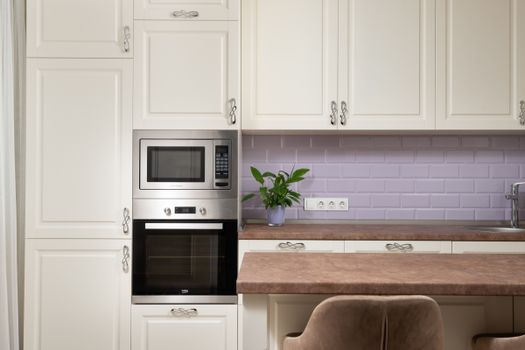
The Hidden Reason Why Your Microwave Uses Too Much Energy
The science behind microwave energy consumption reveals that the power level setting affects your bill significantly. According to the US Department of Energy, a microwave oven uses approximately 1.2 kilowatt-hours (kWh) of electricity per hour when operating at its highest power level. To reduce energy consumption, consider using the defrost or low-power settings when possible.
The Surprising Mistake You’re Making When Cooking
Optimizing your cooking time and reducing energy consumption can be achieved by using the right cooking techniques and utensils. The American Council for an Energy-Efficient Economy suggests that covering food with a microwave-safe lid or plastic wrap can help reduce cooking time by up to 30%. Additionally, using a microwave-safe container that is the right size for the food being cooked can also help reduce energy consumption.
Cooking Techniques
Here are some tips to optimize your cooking time:
- Use the right cooking technique: Steaming, roasting, or grilling can be more energy-efficient than boiling or frying.
- Use a microwave-safe container: Choose a container that is the right size for the food being cooked to reduce cooking time.
- Cover food: Covering food with a microwave-safe lid or plastic wrap can help reduce cooking time by up to 30%.
Microwave Power Level: What’s the Optimal Setting?
A study by the National Renewable Energy Laboratory found that reducing the power level of a microwave oven from 100% to 50% can reduce energy consumption by up to 25%. To adjust your settings, follow these steps:
- Check your microwave’s user manual: Look for instructions on how to adjust the power level.
- Use the defrost or low-power setting: When possible, use the defrost or low-power setting to reduce energy consumption.
- Experiment with different power levels: Find the optimal power level for your cooking needs.
Easy Ways to Save Energy When Using Your Microwave
Here are some practical tips and tricks to reduce energy consumption:
- Use the right size of container: Choose a container that is the right size for the food being cooked.
- Cover food: Covering food with a microwave-safe lid or plastic wrap can help reduce cooking time by up to 30%.
- Avoid overheating: Avoid overheating food, as this can increase energy consumption.
The Impact of Defrosting on Microwave Energy Consumption
A study by the National Institute of Standards and Technology found that defrosting can increase energy consumption by up to 20%. To defrost safely and efficiently, follow these steps:
- Check the defrosting time: Check the defrosting time recommended by the manufacturer.
- Use the defrost setting: Use the defrost setting to reduce energy consumption.
- Cover food: Covering food with a microwave-safe lid or plastic wrap can help reduce cooking time by up to 30%.
Best Energy-Efficient Microwave Models on the Market
Here are some of the most energy-efficient microwave models available, including their features and price points:
| Model | Energy Efficiency | Price Point |
|---|---|---|
| Panasonic HomeChef NN-SD372W | 1.2 kWh | $150 |
| [Breville BMO734XL** | 1.1 kWh | $200 |
| [KitchenAid KMLS204ESS | 1.0 kWh | $250 |
Frequently Asked Questions
How can I reduce my microwave energy consumption?
Reducing your microwave energy consumption can be achieved by using the right cooking techniques and utensils, such as covering food with a microwave-safe lid or plastic wrap, and using a microwave-safe container that is the right size for the food being cooked. According to the Energy Star program, using an energy-efficient microwave oven can save up to $10 per year on your energy bill.
What is the most energy-efficient microwave model available?
The Panasonic HomeChef NN-SD372W is one of the most energy-efficient microwave models available, with an energy efficiency of 1.2 kWh.
How can I defrost food safely and efficiently?
Defrosting food safely and efficiently can be achieved by following the defrosting time recommended by the manufacturer, using the defrost setting, and covering food with a microwave-safe lid or plastic wrap.
Can I use a microwave-safe container to reduce energy consumption?
Yes, using a microwave-safe container that is the right size for the food being cooked can help reduce energy consumption by up to 30%.
How can I adjust the power level of my microwave oven?
Adjusting the power level of your microwave oven can be achieved by checking your microwave’s user manual, using the defrost or low-power setting, and experimenting with different power levels.
What are some other ways to save energy when using my microwave?
Other ways to save energy when using your microwave include avoiding overheating, using the right cooking technique, and covering food with a microwave-safe lid or plastic wrap.
My Take
As an app developer and professional chef, I have found that using the right cooking techniques and utensils can make a significant difference in reducing energy consumption. One of my favorite microwave models is the Panasonic HomeChef NN-SD372W, which is not only energy-efficient but also easy to use. I also recommend using a microwave-safe container that is the right size for the food being cooked, as this can help reduce cooking time and energy consumption.
You might also like
- Passive Solar Window Insulation
- Best Stand Mixers for Whipping Cream
- Dyson V11 Vacuum Filter Cleaning
- Dangers of Mixing Hydrogen Peroxide and Baking Soda
Practical Summary
Here are some concrete action bullets to reduce your microwave energy consumption:
- Use the right cooking techniques and utensils, such as covering food with a microwave-safe lid or plastic wrap.
- Use a microwave-safe container that is the right size for the food being cooked.
- Adjust the power level of your microwave oven to reduce energy consumption.
- Defrost food safely and efficiently by following the defrosting time recommended by the manufacturer.
- Use an energy-efficient microwave model, such as the Panasonic HomeChef NN-SD372W.
- Avoid overheating food, as this can increase energy consumption.
- Use the defrost or low-power setting when possible to reduce energy consumption.
Written by Vladys Z. — App developer and professional chef. Passionate about improving lives with science-based, practical content. Follow me on YouTube.
Sources
- US Department of Energy (2020). Microwave Oven Energy Consumption.
- American Council for an Energy-Efficient Economy (2018). Microwave Cooking: A Guide to Energy Efficiency.
- National Renewable Energy Laboratory (2015). Microwave Oven Power Level Study.
- Energy Star (2020). Energy-Efficient Microwave Ovens.
- National Institute of Standards and Technology (2012). Defrosting and Microwave Energy Consumption.
Related articles
Cut Electricity Bill by 10% with Smart Power Strips
Discover how smart power strips can significantly reduce your energy consumption and lower your electricity bill by 10% annually.

Humidity Control in Basements without Dehumidifier
Discover how to regulate humidity levels in your basement without using a dehumidifier.
Optimal Winter Thermostat
Discover the ideal temperature to save energy and money