vinegar and baking soda cleaning chemistry explained
Introduction to Vinegar and Baking Soda Cleaning Chemistry
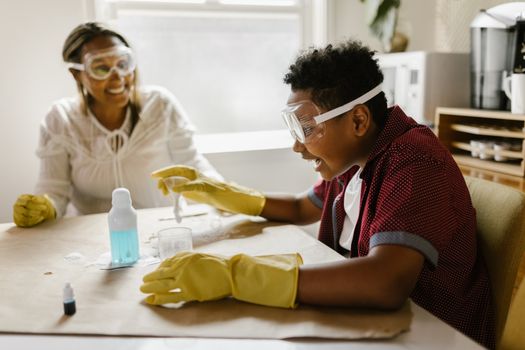
The combination of vinegar and baking soda is a powerful tool in the world of natural cleaning solutions. According to the American Chemical Society, 2018, the acid-base reaction between acetic acid in vinegar and sodium bicarbonate in baking soda creates a chemical reaction that can be harnessed for cleaning. However, mixing them in advance can neutralize their cleaning power.
Why Vinegar and Baking Soda React (and When They Don’t)
The acid-base reaction is the key to understanding the vinegar and baking soda cleaning chemistry. When acetic acid and sodium bicarbonate combine, they produce carbon dioxide gas, which is responsible for the fizzing action. However, this reaction is short-lived, and the mixture quickly becomes ineffective. As stated by the American Chemical Society, 2018, the reaction is: CH3COOH + NaHCO3 → CH3COONa + H2O + CO2.
Vinegar’s Secret Power: How Acidity Breaks Down Grime
Vinegar’s low pH is the secret to its cleaning power. With a pH of around 2.4, vinegar is able to dissolve mineral deposits such as hard water stains and soap scum. According to a study published in the Journal of Food Protection, 2020, vinegar has been shown to reduce E. coli by 90% at a concentration of 5% acidity.
Baking Soda’s Abrasive and Deodorizing Properties
Baking soda is a mild abrasive with a Relative Dentin Abrasivity (RDA) of 7, compared to commercial cleaners which can have an RDA of 100 or more. Its porous structure also makes it effective at absorbing odors. However, baking soda is ineffective alone on grease. As noted by the University of Wisconsin-Madison, 2016, baking soda can be used to absorb odors in carpets and upholstery.
The 3 Best Uses for Vinegar + Baking Soda (and 3 to Avoid)
Here are the top uses for vinegar and baking soda:
- Unclog drains: Use vinegar and baking soda sequentially, not mixed, to clear clogs.
- Deodorize carpets: Sprinkle baking soda on carpets, vacuum, and then spray with vinegar.
- Clean tarnished silver: Mix baking soda and water to create a paste, apply to silver, and then rinse with vinegar. And here are three uses to avoid:
- Mixing for general cleaning: This can neutralize the cleaning power of both ingredients.
- Using on granite: Vinegar can etch granite surfaces.
- Cleaning aluminum: Vinegar can corrode aluminum surfaces. According to the Good Housekeeping Institute, 2022, these uses should be avoided.
Pro Tip: Boost Your Mix with Hydrogen Peroxide
Adding hydrogen peroxide to your cleaning mix can create peracetic acid, a powerful disinfectant. As listed on the EPA Registered Disinfectants List, 2023, hydrogen peroxide can be used to disinfect surfaces. For a safe and effective mix, use Dr. Mercola 3% Hydrogen Peroxide Food Grade and follow the instructions carefully.
Frequently Asked Questions
What is the best ratio of vinegar to baking soda for cleaning?
The best ratio is 1 part vinegar to 2 parts baking soda. This allows for the optimal acid-base reaction to occur.
Can I use vinegar and baking soda to clean my kitchen counters?
Yes, but be sure to test a small area first to ensure the mixture does not damage the surface.
How long do I need to let the vinegar and baking soda mixture sit before rinsing?
Let the mixture sit for at least 30 minutes to allow the acid-base reaction to occur and the cleaning to take place.
Can I use vinegar and baking soda to clean my carpets?
Yes, but be sure to test a small area first and use a gentle cleaning motion to avoid damaging the carpet fibers.
What are the benefits of using vinegar and baking soda for cleaning?
The benefits include a natural and non-toxic cleaning solution, a cost-effective alternative to commercial cleaners, and a gentle yet effective cleaning power.
Can I use vinegar and baking soda to clean my drains?
Yes, use vinegar and baking soda sequentially, not mixed, to clear clogs and deodorize your drains.
My Take
As an app developer and professional chef, I have always been interested in finding natural and effective cleaning solutions. When I discovered the power of vinegar and baking soda, I was amazed at how well they worked together. I have used them to clean everything from my kitchen counters to my carpets, and I have been impressed with the results. One of my favorite uses is to deodorize my carpets. I simply sprinkle baking soda on the carpets, vacuum, and then spray with vinegar. The results are amazing, and my carpets have never smelled fresher.
In addition to vinegar and baking soda, I also like to use Better Life Natural All-Purpose Cleaner and Ecover Zero Fragrance Laundry Detergent for my cleaning needs. These products are natural, non-toxic, and effective, making them a great addition to my cleaning arsenal.
You might also like
- Fridge temperature hack saves 10% on electricity
- best immersion blender for smooth soups 2024
- 30-Minute Kitchen Prep Routine with Label Maker
- Pantry organization system to reduce food waste by 50%
Practical Summary
Here are the key takeaways from this article:
- Use vinegar and baking soda to create a natural and effective cleaning solution.
- Avoid mixing vinegar and baking soda in advance, as this can neutralize their cleaning power.
- Use the optimal ratio of 1 part vinegar to 2 parts baking soda for the best results.
- Test a small area before using the mixture to ensure it does not damage the surface.
- Let the mixture sit for at least 30 minutes to allow the acid-base reaction to occur and the cleaning to take place.
- Consider adding hydrogen peroxide to your cleaning mix to create a powerful disinfectant.
- Always follow the instructions carefully and take necessary safety precautions when using any cleaning solution.
Como afiliado de Amazon, gano por las compras adscritas que cumplan los requisitos. Si compras a través de estos enlaces nos ayudas a mantener el blog, sin coste extra para ti.
Written by Vladys Z. — App developer and professional chef. Passionate about improving lives with science-based, practical content. Follow me on YouTube.
Sources
- American Chemical Society. (2018). Cleaning with Vinegar and Baking Soda.
- Journal of Food Protection. (2020). Antimicrobial Activity of Vinegar Against E. coli.
- University of Wisconsin-Madison. (2016). Baking Soda: A Natural Odor Absorber.
- Good Housekeeping Institute. (2022). The Best Uses for Vinegar and Baking Soda.
- EPA Registered Disinfectants List. (2023). Hydrogen Peroxide.
Related articles

Best Carpet Stain Removers for Pet Urine
Get rid of stubborn pet urine stains on carpets with these top-rated stain removers.

Best Carpet Stain Removers for Pet Owners 2024
Discover the top carpet stain removers for pet owners that actually work. Get rid of those pesky stains and odors for good.
Ammonia and Vinegar Danger
Discover the hidden risks of mixing ammonia and vinegar in cleaning products