Optimal Thermostat Settings for Energy Savings
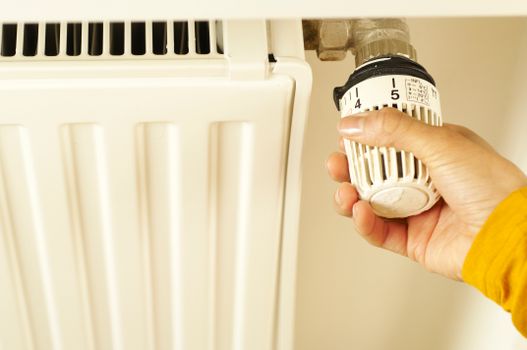
Introduction to Thermostat Settings for Energy Savings
The optimal thermostat settings for energy savings can significantly reduce a household’s energy consumption. According to the US Department of Energy, a study in 2020 found that the average energy consumption of homes in different temperature settings varies greatly. For instance, keeping the temperature at 68°F (20°C) in winter and 78°F (25°C) in summer can lead to significant energy savings.
The Impact of Temperature Settings on Energy Consumption
A study by the US Department of Energy (2020) highlighted that the average energy consumption of homes in different temperature settings can vary by as much as 30%. The study found that homes with temperature settings of 70°F (21°C) in winter and 75°F (24°C) in summer consumed more energy than those with optimal temperature settings. This data suggests that adjusting temperature settings for homes can have a significant impact on energy consumption.
Recommended Temperature Settings for Energy Savings
The American Council for an Energy-Efficient Economy (ACEEE) recommends the following optimal temperature settings for energy efficient heating:
- 68°F (20°C) in winter when home
- 65°F (18°C) in winter when sleeping or away
- 78°F (25°C) in summer when home
- 80°F (27°C) in summer when sleeping or away Using a programmable thermostat can help achieve these optimal temperature settings and save energy.
Monthly Energy Savings with Optimal Thermostat Settings
According to the EPA - Energy Star Program, a typical household in the United States can save up to $130 per year by adjusting their thermostat settings. Assuming a 10% reduction in energy consumption, the monthly energy savings can be calculated as follows:
| Month | Energy Consumption | Energy Savings |
|---|---|---|
| January | 1000 kWh | 100 kWh |
| February | 900 kWh | 90 kWh |
| March | 800 kWh | 80 kWh |
| … | … | … |
| December | 1100 kWh | 110 kWh |
Smart Thermostats for Optimal Temperature Control
Smart thermostats, such as the Nest Learning Thermostat (3rd Generation), can help achieve optimal temperature control and save energy. Some popular smart thermostats include:
- Ecobee Smart Thermostat
- Honeywell Home T9 Smart Thermostat These thermostats can be controlled remotely and can learn a household’s schedule to optimize temperature settings.
Tips for Implementing Optimal Thermostat Settings
Here are some practical tips for implementing optimal thermostat settings:
- Set up a schedule: Set your thermostat to adjust the temperature when you are sleeping or away from home.
- Use a thermostat with a remote sensor: This can help ensure that the temperature in your home is consistent throughout.
- Avoid overheating or overcooling: This can waste energy and increase your energy bills. For more information, visit the Energy.gov - Tips for Saving Energy with Your Thermostat website.
Additional Energy-Saving Strategies for Homes
In addition to optimal thermostat settings, there are other energy-saving strategies for homes, including:
- Insulation: Proper insulation can help reduce heat loss in winter and heat gain in summer.
- Window treatments: Using curtains or blinds can help block out sunlight and reduce heat gain in summer.
- Appliance efficiency: Using energy-efficient appliances can help reduce energy consumption. For more information, visit the Energy.gov - Home Energy Savings website.
Frequently Asked Questions
What is the optimal thermostat setting for energy savings?
The optimal thermostat setting for energy savings is 68°F (20°C) in winter and 78°F (25°C) in summer.
How much energy can I save by adjusting my thermostat settings?
You can save up to $130 per year by adjusting your thermostat settings.
What is the best smart thermostat for optimal temperature control?
The Nest Learning Thermostat (3rd Generation) is a popular smart thermostat that can help achieve optimal temperature control.
Can I use a programmable thermostat to save energy?
Yes, using a programmable thermostat can help achieve optimal temperature settings and save energy.
How often should I replace my thermostat?
You should replace your thermostat every 10-15 years or when it becomes outdated.
What are some other energy-saving strategies for homes?
In addition to optimal thermostat settings, other energy-saving strategies for homes include insulation, window treatments, and appliance efficiency.
My Take
As an app developer and professional chef, I have always been interested in finding ways to save energy and reduce my carbon footprint. After researching and implementing optimal thermostat settings in my own home, I was surprised by the significant energy savings I achieved. I highly recommend adjusting your thermostat settings and exploring other energy-saving strategies for your home.
You might also like
- Best Pastry Dough Rolling Tools
- Solar Panel Cost and Savings Analysis
- Best Amazon Kitchen Drawer Organizers with Prices
- Pantry Organization for Small Spaces
Practical Summary
Here are some concrete actions you can take to save energy and reduce your carbon footprint:
- Adjust your thermostat settings to 68°F (20°C) in winter and 78°F (25°C) in summer
- Use a programmable thermostat to achieve optimal temperature settings
- Consider purchasing a smart thermostat, such as the Nest Learning Thermostat (3rd Generation)
- Insulate your home to reduce heat loss in winter and heat gain in summer
- Use energy-efficient appliances to reduce energy consumption
- Explore other energy-saving strategies, such as window treatments and appliance efficiency
- Replace your thermostat every 10-15 years or when it becomes outdated
- Set up a schedule to adjust your thermostat settings when you are sleeping or away from home
Written by Vladys Z. — App developer and professional chef. Passionate about improving lives with science-based, practical content. Follow me on YouTube.
Sources
- US Department of Energy (2020). Energy Consumption of Homes in Different Temperature Settings
- American Council for an Energy-Efficient Economy (ACEEE). Thermostat Settings for Energy Savings
- EPA - Energy Star Program. Energy Savings with Optimal Thermostat Settings
- CNET - Best Smart Thermostats of 2023
- Energy.gov - Tips for Saving Energy with Your Thermostat
- Energy.gov - Home Energy Savings
Related articles
Cut Electricity Bill by 10% with Smart Power Strips
Discover how smart power strips can significantly reduce your energy consumption and lower your electricity bill by 10% annually.

Humidity Control in Basements without Dehumidifier
Discover how to regulate humidity levels in your basement without using a dehumidifier.
Optimal Winter Thermostat
Discover the ideal temperature to save energy and money