Optimal Thermostat Setting for Energy Savings
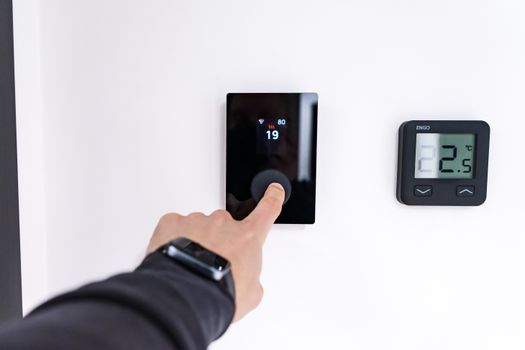
Introduction to Thermostat Energy Saving Settings
The optimal thermostat energy saving settings can significantly reduce your monthly energy bills. According to the US Department of Energy, heating and cooling systems account for nearly half of the average household’s energy consumption.
The Impact of Temperature on Energy Consumption
The temperature setting on your thermostat has a direct impact on your energy consumption. The concept of ‘temperature lift’ refers to the increase in energy consumption as the temperature difference between the inside and outside of your home increases. A study by the US Department of Energy (2019) found that for every degree of temperature lift, energy consumption increases by 3-5%.
Recommended Temperature Settings for Energy Savings
The ideal temperature settings for energy savings vary depending on the time of day and year. According to a study by the National Renewable Energy Laboratory (NREL) (2015), the optimal temperature range for winter is between 68-70°F and for summer is between 78-80°F. Here are some recommended temperature settings:
- Winter: 68°F during the day and 65°F at night
- Summer: 78°F during the day and 82°F at night These settings can result in an average monthly energy savings of $20-30.
Benefits of Smart Thermostat Technology
Smart thermostats can help automate temperature adjustments and optimize energy consumption. They can learn your schedule and preferences to adjust the temperature accordingly. Popular smart thermostat brands include Nest and Ecobee. The Nest Learning Thermostat E is a popular choice, and you can also consider complementary products like Nest Temperature Sensor en Amazon and Ecobee SmartSensor en Amazon.
Real-World Examples of Energy Savings
Several households and businesses have implemented optimal temperature settings and achieved significant energy savings. For example, a case study by the EPA’s Energy Star Program (2020) found that a commercial building in California reduced its energy consumption by 25% by implementing a smart thermostat system.
Common Mistakes to Avoid When Setting Your Thermostat
One common mistake people make when setting their thermostats is setting it too low in winter or too high in summer. According to the American Society of Heating, Refrigerating, and Air-Conditioning Engineers (ASHRAE) (2020), this can result in increased energy consumption and higher bills. Here are some tips to avoid these mistakes:
- Set your thermostat to the optimal temperature range
- Use a smart thermostat to automate temperature adjustments
- Adjust your thermostat settings based on the time of day and year
Getting Started with Optimal Temperature Settings
To get started with optimal temperature settings, follow these steps:
- Adjust your thermostat to the optimal temperature range
- Install a smart thermostat or a traditional thermostat with a programmable schedule
- Monitor your energy consumption and adjust your settings accordingly
Frequently Asked Questions
What is the ideal temperature for energy savings?
The ideal temperature for energy savings is between 68-70°F in winter and 78-80°F in summer.
How much can I save by using a smart thermostat?
You can save up to $20-30 per month by using a smart thermostat.
What are the benefits of using a smart thermostat?
Smart thermostats can automate temperature adjustments, learn your schedule and preferences, and optimize energy consumption.
Can I use a traditional thermostat with a programmable schedule?
Yes, you can use a traditional thermostat with a programmable schedule to optimize your temperature settings.
How often should I adjust my thermostat settings?
You should adjust your thermostat settings based on the time of day and year.
What are some common mistakes to avoid when setting my thermostat?
Common mistakes include setting your thermostat too low in winter or too high in summer, and not adjusting your settings based on the time of day and year.
My Take
As an app developer and professional chef, I have always been interested in finding ways to optimize energy consumption. I recently installed a smart thermostat in my home and have seen a significant reduction in my energy bills. I recommend using a smart thermostat and adjusting your temperature settings based on the time of day and year.
You might also like
- Instant Pot Air Fryer
- Ceiling fan direction for winter savings
- Best Amazon Kitchen Drawer Organizers with Prices
- Simple Home Filing System for Paper Clutter
Practical Summary
Here are some concrete action bullets to help you get started with optimal temperature settings:
- Adjust your thermostat to the optimal temperature range
- Install a smart thermostat or a traditional thermostat with a programmable schedule
- Monitor your energy consumption and adjust your settings accordingly
- Avoid common mistakes such as setting your thermostat too low in winter or too high in summer
- Use a smart thermostat to automate temperature adjustments and optimize energy consumption
- Consider complementary products like Nest Temperature Sensor en Amazon and Ecobee SmartSensor en Amazon
- Adjust your thermostat settings based on the time of day and year
Written by Vladys Z. — App developer and professional chef. Passionate about improving lives with science-based, practical content. Follow me on YouTube.
Sources
- US Department of Energy (2019). Energy Efficiency and Renewable Energy
- National Renewable Energy Laboratory (NREL) (2015). Residential Energy Consumption Survey
- Energy.gov (2022). Smart Thermostats
- EPA's Energy Star Program (2020). Energy Star Certified Smart Thermostats
- American Society of Heating, Refrigerating, and Air-Conditioning Engineers (ASHRAE) (2020). ASHRAE Handbook
Related articles
Cut Electricity Bill by 10% with Smart Power Strips
Discover how smart power strips can significantly reduce your energy consumption and lower your electricity bill by 10% annually.

Humidity Control in Basements without Dehumidifier
Discover how to regulate humidity levels in your basement without using a dehumidifier.
Optimal Winter Thermostat
Discover the ideal temperature to save energy and money