Ideal Thermostat Temperature
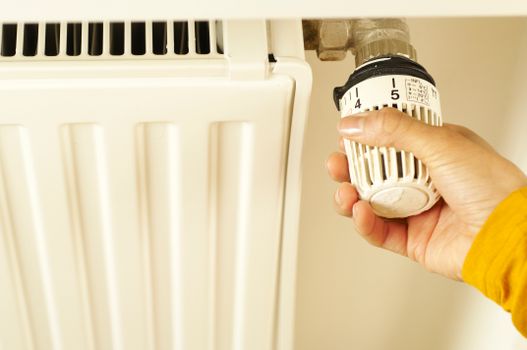
Introduction to Energy Saving
The ideal thermostat temperature is crucial for energy saving, with the U.S. Department of Energy (2022) stating that heating and cooling account for nearly 50% of a home’s energy consumption. Incorrect thermostat settings can lead to an average energy waste of 10-30%. To minimize this waste, it’s essential to understand how thermostat temperatures impact energy consumption.
Winter Temperature Settings
For winter months (December to February), the National Resources Defense Council (2020) recommends setting the thermostat to 68°F (20°C) when home and awake, and 60°F (15.5°C) when sleeping or away. This can lead to 5-10% savings compared to keeping the temperature at 70°F (21°C). A comparison of different temperature settings is shown below:
| Temperature Setting | Energy Savings |
|---|---|
| 68°F (20°C) | 5-10% |
| 65°F (18.3°C) | 10-15% |
| 60°F (15.5°C) | 15-20% |
Summer Temperature Settings
In summer months (June to August), the American Council for an Energy-Efficient Economy (2021) suggests setting the thermostat to 78°F (25.5°C) when home and awake, and 85°F (29.4°C) when sleeping or away. This can result in 10-15% savings compared to keeping the temperature at 75°F (23.9°C).
Monthly Savings Breakdown
The Energy Information Administration (2022) estimates that the average household can save $20-50 per month by adjusting their thermostat settings. A breakdown of estimated monthly savings for different temperature settings is shown below:
| Temperature Setting | Monthly Savings |
|---|---|
| 68°F (20°C) | $20-30 |
| 65°F (18.3°C) | $30-40 |
| 60°F (15.5°C) | $40-50 |
Smart Thermostat Integration
Smart thermostats, such as the Ecobee Smart Thermostat, can learn occupants’ schedules and preferences to automatically adjust temperatures for optimal energy saving. The Smart Energy Consumer Collaborative (2020) found that smart thermostats can lead to an average energy savings of 12%.
Conclusion and Recommendations
In conclusion, adjusting thermostat settings can lead to significant energy saving. To maximize savings, households should consider the following tips:
- Set the thermostat to 68°F (20°C) in winter and 78°F (25.5°C) in summer when home and awake.
- Lower the temperature by 5-10°F (2.8-5.6°C) when sleeping or away.
- Consider installing a smart thermostat to automatically adjust temperatures.
- Regularly maintain the thermostat and heating/cooling system to ensure optimal performance.
- Take advantage of monthly energy savings by adjusting thermostat settings accordingly.
Frequently Asked Questions
What is the ideal thermostat temperature for energy saving?
The ideal thermostat temperature for energy saving is 68°F (20°C) in winter and 78°F (25.5°C) in summer when home and awake. According to the U.S. Department of Energy (2022), this can lead to 5-10% savings compared to higher temperatures.
How much can I save by adjusting my thermostat settings?
Adjusting thermostat settings can lead to an average energy saving of $20-50 per month, according to the Energy Information Administration (2022).
What is the best smart thermostat for energy saving?
The Ecobee Smart Thermostat is a highly-rated smart thermostat that can learn occupants’ schedules and preferences to automatically adjust temperatures for optimal energy saving.
Can I use a programmable thermostat to save energy?
Yes, programmable thermostats can help save energy by automatically adjusting temperatures based on a set schedule. However, smart thermostats like the Ecobee Smart Thermostat offer more advanced features and greater energy saving potential.
How often should I maintain my thermostat and heating/cooling system?
Regular maintenance of the thermostat and heating/cooling system is crucial to ensure optimal performance and energy saving. It’s recommended to perform maintenance at least once a year, or as recommended by the manufacturer.
What are some additional tips for energy saving?
Additional tips for energy saving include using energy-efficient light bulbs en Amazon and adjusting thermostat settings based on the number of occupants in the household.
My Take
As an app developer and professional chef, I’ve always been interested in finding ways to reduce energy consumption in my own home. After installing a smart thermostat, I was surprised to see how much of a difference it made in my monthly energy savings. I’ve also started using energy-efficient appliances en Amazon to further reduce my energy consumption. In my experience, the key to energy saving is to make small changes that add up over time. Whether it’s adjusting thermostat settings or using energy-efficient appliances, every little bit counts. I recommend taking the time to research and implement energy-saving strategies that work best for your household.
You might also like
- Humidity Control Without Dehumidifier
- Solar Panel Cost and Savings Analysis
- Tiny Home Office Organization with Shelves and Drawers
- Microwave Defrosting Mistake
Practical Summary
To maximize energy saving, consider the following concrete actions:
- Set the thermostat to 68°F (20°C) in winter and 78°F (25.5°C) in summer when home and awake.
- Lower the temperature by 5-10°F (2.8-5.6°C) when sleeping or away.
- Install a smart thermostat, such as the Ecobee Smart Thermostat.
- Regularly maintain the thermostat and heating/cooling system.
- Use energy-efficient appliances en Amazon to reduce energy consumption.
- Take advantage of monthly energy savings by adjusting thermostat settings accordingly.
- Consider using energy-efficient light bulbs en Amazon to further reduce energy consumption.
- Research and implement energy-saving strategies that work best for your household.
Written by Vladys Z. — App developer and professional chef. Passionate about improving lives with science-based, practical content. Follow me on YouTube.
Sources
- U.S. Department of Energy (2022). Energy Efficiency and Renewable Energy.
- National Resources Defense Council (2020). Smart Thermostats and Energy Efficiency.
- American Council for an Energy-Efficient Economy (2021). Energy Efficiency and the Economy.
- Energy Information Administration (2022). Energy Consumption and Savings.
- Smart Energy Consumer Collaborative (2020). Smart Thermostats and Consumer Engagement.
Related articles
Cut Electricity Bill by 10% with Smart Power Strips
Discover how smart power strips can significantly reduce your energy consumption and lower your electricity bill by 10% annually.

Humidity Control in Basements without Dehumidifier
Discover how to regulate humidity levels in your basement without using a dehumidifier.
Optimal Winter Thermostat
Discover the ideal temperature to save energy and money