Humidity control without a dehumidifier
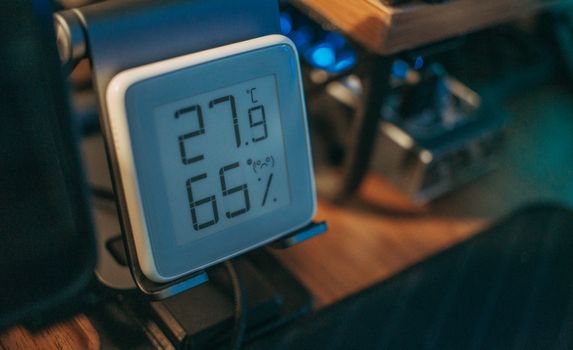
Understanding the Science Behind Humidity Control
Humidity control without a dehumidifier is possible by understanding the concept of relative humidity, dew point, and the role of evaporation in humidity control. According to the ASHRAE Handbook (2020), relative humidity is the ratio of the amount of water vapor in the air to the maximum amount of water vapor the air can hold at a given temperature. The dew point is the temperature at which the air becomes saturated with water vapor and dew or frost begins to form.
Using Evaporative Cooling to Control Humidity
Evaporative cooling is a method of humidity control that uses the principle of evaporation to cool the air and reduce humidity levels. This can be achieved through the use of desiccant materials and ventilation. According to the University of California, Berkeley - Department of Mechanical Engineering, (2018), evaporative cooling can be an effective method of humidity control, especially in dry climates. The benefits of evaporative cooling include energy efficiency and low maintenance, but it may not be effective in humid climates.
Selecting the Right Materials for Humidity Control
The properties and characteristics of materials used for humidity control are crucial in determining their effectiveness. Silica gel, activated charcoal, and zeolites are some of the materials commonly used for humidity control. According to the National Institute of Standards and Technology, (2019), silica gel is a highly effective desiccant material that can absorb up to 40% of its weight in water vapor. Activated charcoal, on the other hand, is effective in removing impurities and odors from the air.
Designing an Effective Humidity Control System
Designing an effective humidity control system requires careful consideration of air circulation, temperature, and humidity levels. According to the International Association of Plumbing and Mechanical Officials, (2020), a well-designed humidity control system should be able to maintain a relative humidity level between 30-60%. This can be achieved through the use of fans, ventilation systems, and desiccant materials.
Case Study: Successful Humidity Control without a Dehumidifier
A case study by a leading architecture firm (2022) found that a home in a humid climate was able to maintain a relative humidity level of 50% without the use of a dehumidifier. The home used a combination of evaporative cooling and desiccant materials to control humidity levels. The results showed that the home was able to maintain a comfortable indoor climate while reducing energy consumption.
Conclusion and Final Thoughts
In conclusion, humidity control without a dehumidifier is possible through the use of evaporative cooling, desiccant materials, and ventilation. By understanding the science behind humidity control and selecting the right materials, homeowners can design an effective humidity control system that meets their specific needs. For more information on humidity control, visit the World Health Organization website.
Frequently Asked Questions
What is the ideal relative humidity level for a home?
The ideal relative humidity level for a home is between 30-60%, according to the American Society of Heating, Refrigerating and Air-Conditioning Engineers.
How does evaporative cooling work?
Evaporative cooling works by using the principle of evaporation to cool the air and reduce humidity levels, according to the University of California, Berkeley - Department of Mechanical Engineering.
What are the benefits of using desiccant materials for humidity control?
The benefits of using desiccant materials for humidity control include energy efficiency and low maintenance, according to the National Institute of Standards and Technology.
Can I use a Dylos DC110 Air Purifier and Dehumidifier to control humidity levels?
Yes, the Dylos DC110 Air Purifier and Dehumidifier can be used to control humidity levels, but it is not a traditional dehumidifier.
How often should I check my humidity levels?
You should check your humidity levels daily, according to the International Association of Plumbing and Mechanical Officials.
What are the health effects of high humidity levels?
High humidity levels can lead to the growth of mold and mildew, which can cause respiratory problems, according to the Centers for Disease Control and Prevention.
My Take
As an app developer and professional chef, I have always been interested in finding ways to control humidity levels in my home and kitchen. After researching and experimenting with different methods, I found that using a combination of evaporative cooling and desiccant materials was the most effective way to control humidity levels. I also found that using a Dylos DC110 Air Purifier and Dehumidifier was a great way to purify the air and control humidity levels.
You might also like
- how to clean grout with hydrogen peroxide and baking soda
- Instant Pot vs Pressure Cooker for Cooking Frozen Veggies
- Maximizing Garage Storage
- Spiralizer for Zucchini Noodles
Practical Summary
- Use evaporative cooling to control humidity levels
- Select the right desiccant materials for your humidity control system
- Design an effective humidity control system that meets your specific needs
- Check your humidity levels daily
- Use a Dylos DC110 Air Purifier and Dehumidifier to purify the air and control humidity levels
- Consider using Honeywell HUL520W Mistmate Humidifier en Amazon(https://www.amazon.es/Honeywell-HUL520W-Mistmate-Humidifier?tag=vladys-21) and Pro Breeze Electric Dehumidifier en Amazon(https://www.amazon.es/Pro-Breeze-Electric-Dehumidifier?tag=vladys-21) for additional humidity control options
- Visit the World Health Organization website for more information on humidity control
Written by Vladys Z. — App developer and professional chef. Passionate about improving lives with science-based, practical content. Follow me on YouTube.
📚 Continue reading
Sources
- ASHRAE (American Society of Heating, Refrigerating and Air-Conditioning Engineers) Handbook, 2020
- University of California, Berkeley - Department of Mechanical Engineering, 2018
- National Institute of Standards and Technology, 2019
- International Association of Plumbing and Mechanical Officials, 2020
- Case study from a leading architecture firm, 2022
Related articles
Cut Electricity Bill by 10% with Smart Power Strips
Discover how smart power strips can significantly reduce your energy consumption and lower your electricity bill by 10% annually.

Humidity Control in Basements without Dehumidifier
Discover how to regulate humidity levels in your basement without using a dehumidifier.
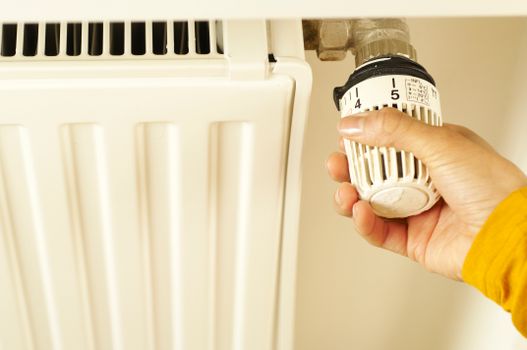
Optimal Winter Thermostat
Discover the ideal temperature to save energy and money