Dangers of mixing vinegar and bleach in cleaning
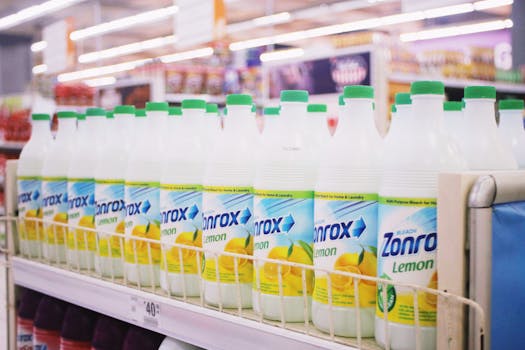
Introduction to the Dangers of Mixing Vinegar and Bleach
The combination of vinegar and bleach is a toxic cleaning combination that can produce chlorine gas, a hazardous substance that can cause severe health issues. According to the American Chemical Society, the reaction between acetic acid in vinegar and sodium hypochlorite in bleach produces chlorine gas, with the chemical equation: NaOCl + CH3COOH → CH3COONa + HOCl → HCl + [O].
Chemical Reaction: What Happens When Vinegar and Bleach Mix?
When vinegar and bleach are mixed, the acetic acid in vinegar reacts with the sodium hypochlorite in bleach to produce chlorine gas. This reaction is highly exothermic, releasing heat and toxic fumes. The American Chemical Society warns that this mixture can be deadly, with the potential to cause severe respiratory problems and even death.
Health Risks of Chlorine Gas Exposure
Exposure to chlorine gas can cause severe health issues, including coughing, burning eyes, and lung damage. According to the CDC Emergency Preparedness, the threshold for chlorine gas exposure is 0.5 ppm for immediate irritation and 10 ppm for severe health effects. First aid measures for accidental exposure include evacuating the area, washing the affected area with soap and water, and seeking medical attention immediately.
Common Cleaning Scenarios Where This Happens Accidentally
Mixing vinegar and bleach can occur accidentally in various cleaning scenarios, such as cleaning showers with bleach residue and then using a vinegar spray, or washing machines where the two substances are mixed in the same load. To prevent cross-contamination, it is essential to always read the labels and follow the instructions carefully. The National Capital Poison Center reports that these accidents can be prevented by using separate cleaning products and taking necessary precautions.
Safer Alternatives for Disinfecting Surfaces
Instead of using bleach, there are safer alternatives for disinfecting surfaces, such as hydrogen peroxide and baking soda. According to the EPA List N disinfectants, hydrogen peroxide is a proven effective substitute for bleach, with a recommended dilution ratio of 1 part hydrogen peroxide to 10 parts water. Baking soda can be used for scrubbing, with a recommended ratio of 1 tablespoon baking soda to 1 gallon of water.
How to Safely Clean with Bleach
If you must use bleach, it is essential to follow the correct dilution ratio and ventilation requirements. According to the Clorox Professional Guidelines, the recommended dilution ratio for bleach is 1/3 cup per gallon of water, and it is crucial to ventilate the area thoroughly to prevent the buildup of toxic fumes. Additionally, it is essential to avoid using bleach on stone and metal surfaces, as it can cause damage and discoloration.
Emergency Response if Mixing Occurs
If you accidentally mix vinegar and bleach, it is essential to take immediate action to prevent harm. Here are the step-by-step actions to follow:
- Evacuate the area immediately
- Ventilate the area thoroughly
- Call poison control at 1-800-222-1222
- Wear protective equipment, such as gloves and a mask, when cleaning up the spill The Poison Control protocols recommend following these steps to ensure your safety and the safety of those around you.
Frequently Asked Questions
What are the symptoms of chlorine gas exposure?
The symptoms of chlorine gas exposure include coughing, burning eyes, and lung damage. According to the CDC Emergency Preparedness, the threshold for chlorine gas exposure is 0.5 ppm for immediate irritation and 10 ppm for severe health effects.
How can I prevent mixing vinegar and bleach accidentally?
To prevent mixing vinegar and bleach accidentally, it is essential to always read the labels and follow the instructions carefully. Additionally, using separate cleaning products and taking necessary precautions can help prevent cross-contamination.
What are the safer alternatives for disinfecting surfaces?
Instead of using bleach, there are safer alternatives for disinfecting surfaces, such as hydrogen peroxide and baking soda. According to the EPA List N disinfectants, hydrogen peroxide is a proven effective substitute for bleach.
How can I safely clean with bleach?
If you must use bleach, it is essential to follow the correct dilution ratio and ventilation requirements. According to the Clorox Professional Guidelines, the recommended dilution ratio for bleach is 1/3 cup per gallon of water.
What should I do if I accidentally mix vinegar and bleach?
If you accidentally mix vinegar and bleach, it is essential to take immediate action to prevent harm. Follow the step-by-step actions outlined in the emergency response section.
Are there any products that can replace bleach and vinegar?
Yes, there are products that can replace bleach and vinegar, such as Force of Nature Multi-Surface Cleaner (EPA-registered disinfectant) and Seventh Generation Disinfecting Spray.
My Take
As an app developer and professional chef, I have always been interested in finding safer and more effective cleaning solutions. After researching the dangers of mixing vinegar and bleach, I was shocked to learn about the potential health risks and the importance of taking necessary precautions. I now make sure to always read the labels and follow the instructions carefully, and I recommend using safer alternatives such as hydrogen peroxide and baking soda. In my kitchen, I use Force of Nature Multi-Surface Cleaner (EPA-registered disinfectant) to disinfect surfaces, and I have found it to be a highly effective and safe alternative to bleach. I also recommend using Seventh Generation Disinfecting Spray for its proven effectiveness and eco-friendly ingredients.
You might also like
- Best Robot Vacuum Cleaners for Pet Hair on Hardwood Floors
- Smart Thermostat Savings and Top Picks
- Instant Pot Air Fryer
- Pantry Organization to Reduce Waste
Practical Summary
Here are the key takeaways from this article:
- Vinegar and bleach is a toxic cleaning combination that can produce chlorine gas
- Exposure to chlorine gas can cause severe health issues, including coughing, burning eyes, and lung damage
- Safer alternatives for disinfecting surfaces include hydrogen peroxide and baking soda
- If you must use bleach, follow the correct dilution ratio and ventilation requirements
- Take immediate action if you accidentally mix vinegar and bleach, including evacuating the area, ventilating, and calling poison control
- Consider using products like Force of Nature Multi-Surface Cleaner (EPA-registered disinfectant) and Seventh Generation Disinfecting Spray as safer alternatives
Como afiliado de Amazon, gano por las compras adscritas que cumplan los requisitos. Si compras a través de estos enlaces nos ayudas a mantener el blog, sin coste extra para ti.
Written by Vladys Z. — App developer and professional chef. Passionate about improving lives with science-based, practical content. Follow me on YouTube.
Sources
- American Chemical Society. (2019). Chemical Reactions.
- CDC Emergency Preparedness. (2022). Chlorine Gas Exposure.
- National Capital Poison Center. (2021). Poison Control Case Studies.
- EPA List N disinfectants. (2023). Disinfectants for Coronavirus.
- Clorox Professional Guidelines. (2023). Bleach Safety.
- Poison Control protocols. (2024). Emergency Response.
Related articles

Best Carpet Stain Removers for Pet Urine
Get rid of stubborn pet urine stains on carpets with these top-rated stain removers.

Best Carpet Stain Removers for Pet Owners 2024
Discover the top carpet stain removers for pet owners that actually work. Get rid of those pesky stains and odors for good.

Ammonia and Vinegar Danger
Discover the hidden risks of mixing ammonia and vinegar in cleaning products