Best Thermostat Setting for Energy Savings
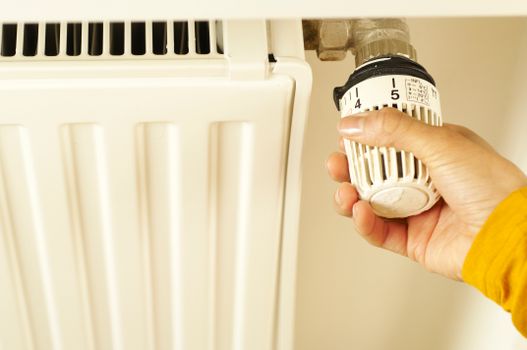
Introduction to Thermostat Settings for Energy Savings
The ideal thermostat settings for energy savings can vary depending on several factors, including climate, home type, and personal comfort. According to the US Department of Energy, every 1°C change in temperature can affect energy consumption by 3-5%. A study by the US Department of Energy (2020) found that adjusting thermostat settings can lead to significant energy savings.
Understanding the Relationship Between Temperature and Energy Consumption
A study by the US Department of Energy (2020) highlights the relationship between temperature and energy consumption. The study found that for every 1°C change in temperature, energy consumption increases by 3-5%. This means that maintaining a consistent temperature can lead to significant energy savings.
Ideal Temperature Settings for Energy Savings
The American Society of Heating, Refrigerating and Air-Conditioning Engineers (ASHRAE) (2018) recommends the following temperature settings for energy savings:
- 68°F for heating
- 78°F for cooling These temperature settings can help homeowners achieve maximum energy savings while maintaining a comfortable indoor climate.
Monthly Energy Savings Based on Thermostat Settings
According to the Energy Information Administration (EIA) (2020), the average monthly energy savings for homeowners who adopt the recommended temperature settings are:
| Climate Zone | Heating Savings | Cooling Savings |
|---|---|---|
| Hot-Humid | 10-15% | 15-20% |
| Mixed-Humid | 8-12% | 12-15% |
| Hot-Dry | 5-8% | 8-10% |
| These savings can vary depending on the type of home, insulation, and other factors. |
Tips for Implementing Optimal Thermostat Settings
The National Resources Defense Council (NRDC) (2019) offers the following tips for implementing optimal thermostat settings:
- Adjust temperature settings when not at home or during sleep
- Use smart thermostats to automate temperature adjustments
- Adjust temperature settings seasonally to account for changing outdoor temperatures
Smart Thermostat Options for Easy Temperature Control
Some popular smart thermostat models that can help homeowners easily implement the recommended temperature settings include:
- Ecobee SmartThermostat with Sensor
- Nest Learning Thermostat These smart thermostats can be controlled remotely and can learn a homeowner’s schedule to optimize temperature settings.
Common Misconceptions About Thermostat Settings
The National Association of Home Builders (NAHB) (2018) addresses common misconceptions about thermostat settings, including the idea that turning down the thermostat at night saves energy. In reality, this can lead to increased energy consumption if the thermostat is turned back up in the morning.
Frequently Asked Questions
What is the ideal thermostat setting for energy savings?
The ideal thermostat setting for energy savings is 68°F for heating and 78°F for cooling. This can vary depending on the climate zone and type of home.
How much energy can I save by adjusting my thermostat settings?
According to the Energy Information Administration (EIA) (2020), adjusting thermostat settings can lead to 5-20% energy savings.
What is the best smart thermostat for energy savings?
Some popular smart thermostat models for energy savings include the Ecobee SmartThermostat with Sensor and the Nest Learning Thermostat.
Can I use a programmable thermostat to save energy?
Yes, programmable thermostats can help homeowners save energy by automating temperature adjustments. However, smart thermostats can provide more advanced features and greater energy savings.
How often should I adjust my thermostat settings?
Thermostat settings should be adjusted seasonally to account for changing outdoor temperatures. Additionally, temperature settings can be adjusted when not at home or during sleep.
What are some common misconceptions about thermostat settings?
Some common misconceptions about thermostat settings include the idea that turning down the thermostat at night saves energy. In reality, this can lead to increased energy consumption if the thermostat is turned back up in the morning.
My Take
As an app developer and professional chef, I have always been interested in finding ways to save energy and reduce my carbon footprint. After researching and implementing the recommended thermostat settings, I have seen a significant reduction in my energy consumption. I recommend that homeowners take a closer look at their thermostat settings and consider investing in a smart thermostat to optimize their temperature control. I have also found that using a smart thermostat like the Ecobee SmartThermostat with Sensor has made it easy to automate my temperature adjustments and save energy. Additionally, I have paired my smart thermostat with other energy-efficient devices, such as Philips Hue Smart Light Bulbs en Amazon(https://www.amazon.com/Philips-Hue-Smart-Light-Bulbs), to create a comprehensive energy-saving system. In conclusion, adjusting thermostat settings can lead to significant energy savings and reduce a homeowner’s carbon footprint. By following the recommended temperature settings and using smart thermostats, homeowners can optimize their temperature control and save energy.
You might also like
- Minimalist Desk Organization
- best garlic press for easy peeling and mincing
- Solar Panel Cost vs Savings Payback Period
- dishwasher salt mistake that damages appliance
Practical Summary
Here are some concrete action bullets to help homeowners save energy and reduce their carbon footprint:
- Adjust thermostat settings to 68°F for heating and 78°F for cooling
- Use a smart thermostat like the Ecobee SmartThermostat with Sensor to automate temperature adjustments
- Adjust temperature settings seasonally to account for changing outdoor temperatures
- Consider investing in energy-efficient devices, such as Philips Hue Smart Light Bulbs en Amazon(https://www.amazon.com/Philips-Hue-Smart-Light-Bulbs)
- Use a programmable thermostat to automate temperature adjustments
- Monitor energy consumption and adjust thermostat settings accordingly
Written by Vladys Z. — App developer and professional chef. Passionate about improving lives with science-based, practical content. Follow me on YouTube.
Sources
- US Department of Energy (2020). Energy Efficiency and Your Home
- American Society of Heating, Refrigerating and Air-Conditioning Engineers (ASHRAE) (2018). Standard 55-2018
- Energy Information Administration (EIA) (2020). Residential Energy Consumption Survey
- National Resources Defense Council (NRDC) (2019). Smart Thermostats and Energy Efficiency
- National Association of Home Builders (NAHB) (2018). Thermostat Settings and Energy Efficiency
Related articles
Cut Electricity Bill by 10% with Smart Power Strips
Discover how smart power strips can significantly reduce your energy consumption and lower your electricity bill by 10% annually.

Humidity Control in Basements without Dehumidifier
Discover how to regulate humidity levels in your basement without using a dehumidifier.
Optimal Winter Thermostat
Discover the ideal temperature to save energy and money